
Service · Chula Vista, CA
Leak Detection Chula Vista
What Kind of Leak Might This Be? A Quick Triage Guide
Not every leak symptom points to the same problem, and knowing roughly which category you’re in helps set the right expectations before you call anyone: As a trusted leak detection chula vista, we ensure the job is done right the first time.
Signs You May Have a Hidden Leak
Your Water Bill as an Early Warning System
As covered in more depth on our Slab Leak Repair page, Chula Vista water service comes through either Sweetwater Authority or Otay Water District depending on where you live, and both provide account portals with billing and usage history. A gradual, steadily climbing usage pattern across several billing periods — not just one unusual reading — is a meaningful signal worth investigating regardless of which specific leak type turns out to be the cause.
How We Detect Hidden Leaks
The right detection method depends on the likely leak location, which is why the conversation about what you’re noticing matters before any equipment comes out — a method well-suited to finding a slab leak isn’t necessarily the right first step for an in-wall or fixture-level leak.
1. We start with your symptoms and billing pattern to narrow down the likely leak type and location before choosing a detection method.
2. Acoustic detection listens for the sound of water escaping under pressure — useful for both slab and in-wall supply line leaks.
3. Thermal imaging identifies temperature differences that can indicate a hot water line leak, whether under a slab or within a wall.
4. Pressure testing on isolated sections of plumbing helps confirm which part of the system is affected, useful when the leak’s general area is known but the specific line isn’t yet.
5. Dye testing is a simple, effective method specifically for diagnosing a leaking toilet flapper, one of the more common (and easily fixed) sources of water waste that can look like a bigger mystery leak.
6. Visual inspection for fixture-level and outdoor supply/irrigation leaks, which are often locatable without specialized equipment once we know where to look. Our goal as your local leak detection chula vista is to provide transparent and fast service.
Why We Diagnose Before We Recommend a Repair
It would be simpler for us to hear “water bill went up” and jump straight to quoting a slab leak repair, since that’s often the more expensive service. We don’t do that — a genuine diagnosis sometimes reveals a much simpler and less expensive cause (a running toilet flapper, an irrigation leak, a loose fixture connection) than the worst-case scenario a homeowner might be bracing for. We’d rather deliver good news when it’s warranted than default to the more expensive assumption. Our goal as your local leak detection chula vista is to provide transparent and fast service.
Leaks You Can Often Spot Yourself Before Calling
A few checks are reasonable to do on your own and can help narrow things down before you call, or sometimes resolve the issue without needing a service visit at all: That is why homeowners consistently choose us as their leak detection chula vista.
If these checks don’t turn up an obvious source but your symptoms (bill spike, sound of water, dampness) persist, that’s when professional detection genuinely earns its cost — you’ve ruled out the easy explanations and it’s time for equipment that can locate what’s not visible to the eye. Knowing who to call when searching for a leak detection chula vista saves you time and stress.
In-Wall and Under-Fixture Leaks
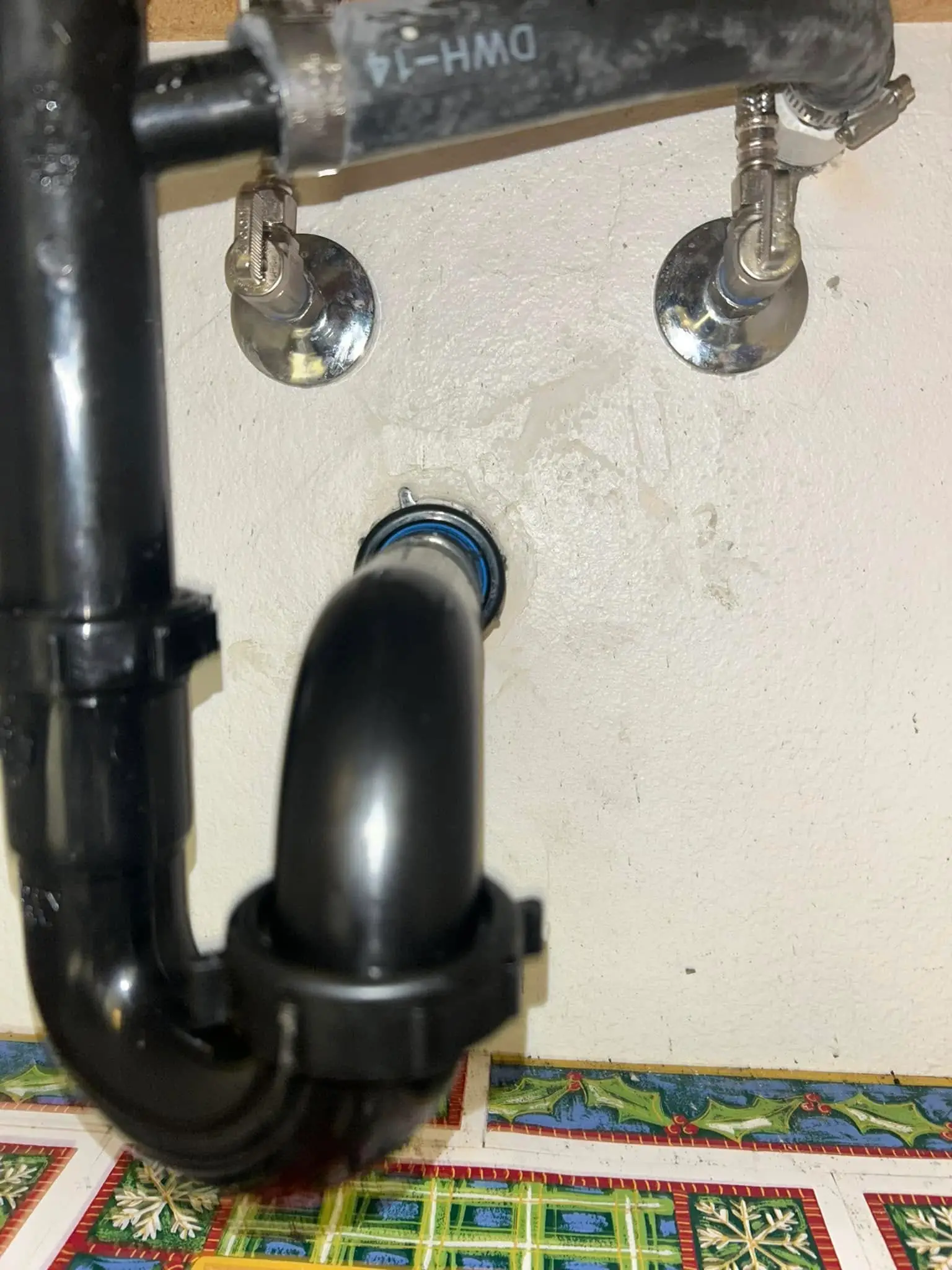
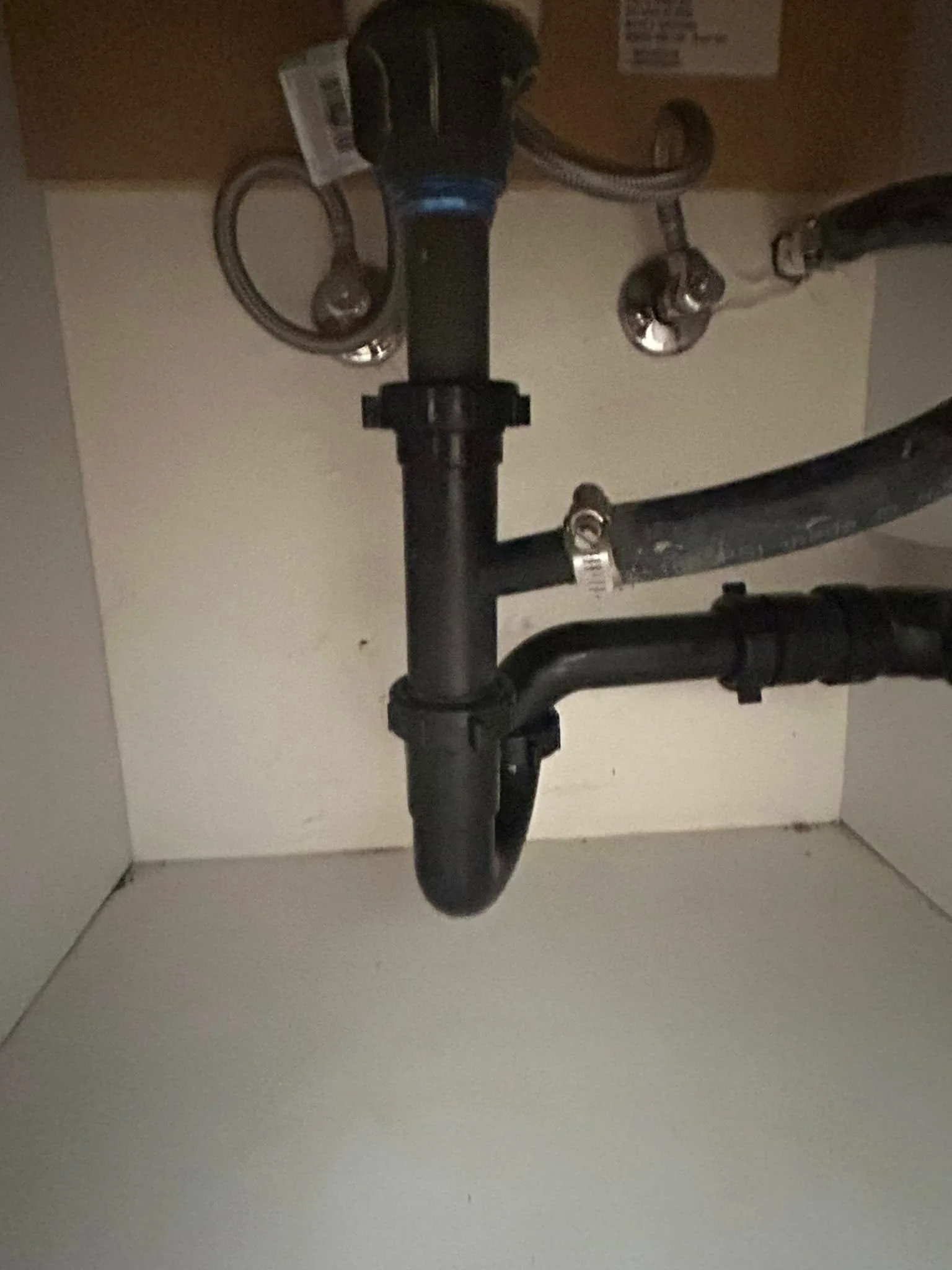
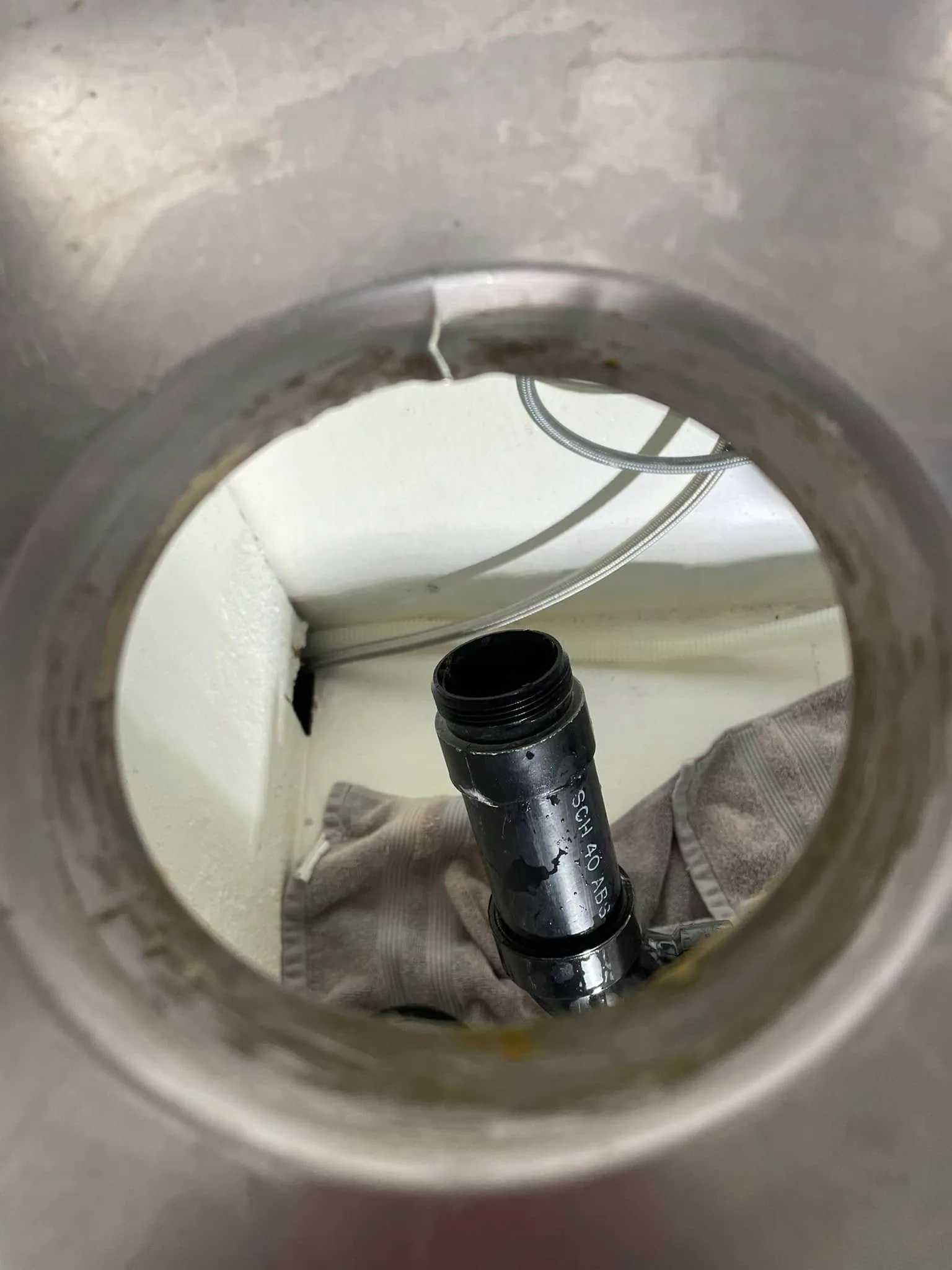
Leaks in supply lines running through walls, or leaks at fixture connections (under sinks, behind toilets, at shower valves), are a distinct category from slab leaks — the pipe is at wall height rather than beneath the foundation, which changes both how it’s detected and how it’s accessed for repair. These leaks often show up as a damp or discolored patch on drywall, sometimes with visible bubbling or peeling paint, or as water pooling at a fixture connection point. Repair access is typically more straightforward than a slab leak, since it doesn’t require going through concrete — usually a section of drywall or direct access to the fixture connection.
Outdoor and Irrigation-Adjacent Leaks
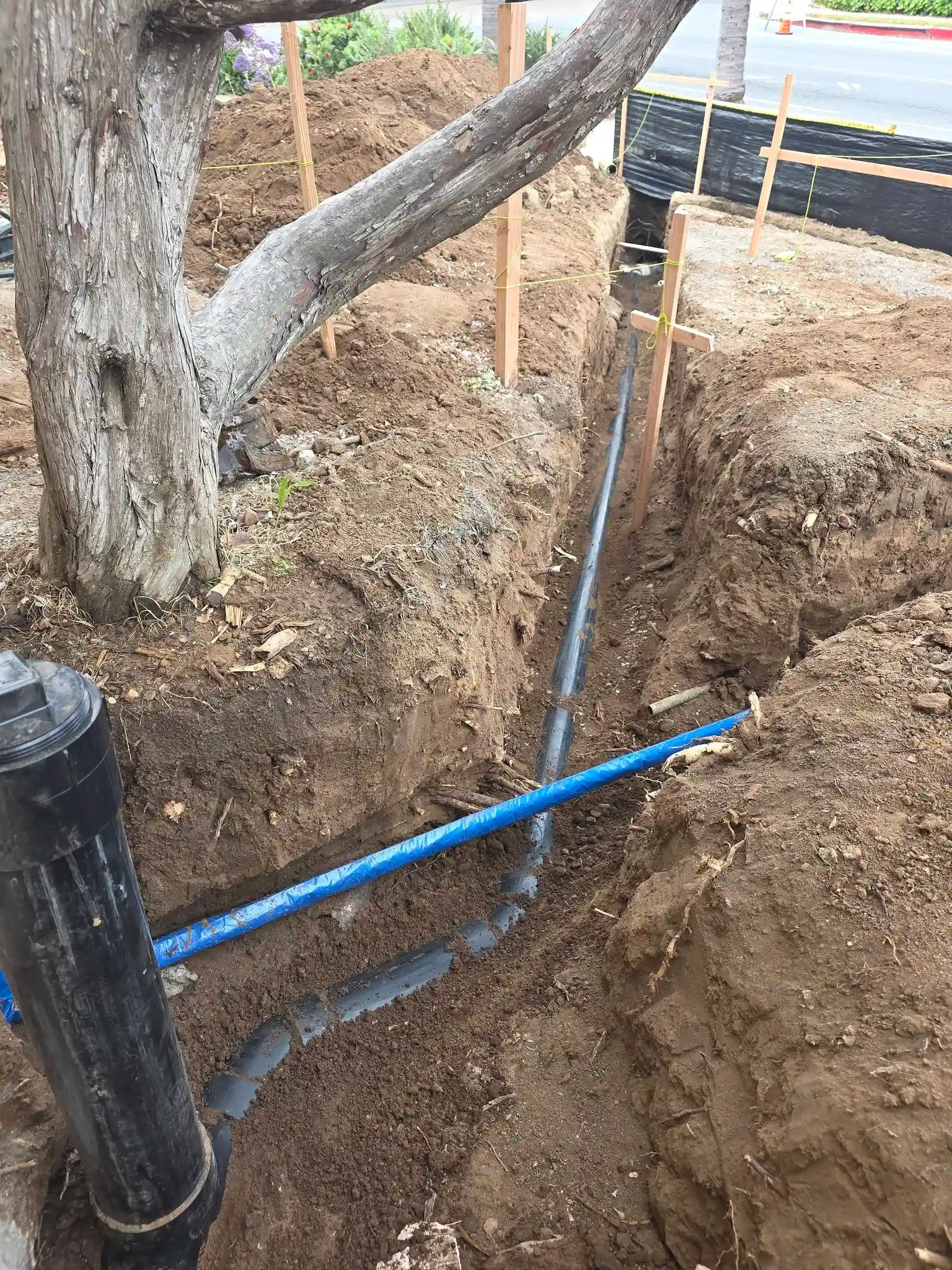
Not every hidden leak is inside the home. Outdoor supply lines, hose bibs, and connections near irrigation systems can leak underground, showing up as unusually lush or soggy landscaping in a specific area, or as a water bill increase with no clear indoor explanation — sometimes the only sign is the bill itself, since underground irrigation leaks can be well hidden from view. These are worth distinguishing from a sewer lateral issue (see the triage guide above) — an outdoor supply leak involves fresh water leaking out, while a sewer lateral issue involves wastewater, and the two require different diagnostic approaches and City involvement (sewer lateral work requires permits; a supply line repair generally doesn’t).
Chula Vista-Specific Leak Considerations
A few local factors genuinely change how likely different leak types are and what to watch for: When you need a reliable leak detection chula vista, our team is ready to assist.
What to Expect During a Leak Detection Visit
1. We start with a conversation — your symptoms, when they started, your recent water bill pattern, and any DIY checks you’ve already done.
2. We narrow down the likely leak type based on that conversation before choosing specific detection equipment or methods.
3. We use the appropriate non-invasive method(s) — acoustic, thermal, pressure testing, or dye testing — to locate or rule out potential sources.
4. We explain what we found, including if the leak turns out to be a different type than initially suspected (a suspected slab leak that’s actually an in-wall leak, for example) — this happens, and we’d rather tell you accurately than force the diagnosis to match the initial assumption.
5. We walk through realistic repair options for whatever we found, cross-referencing the appropriate service page (Slab Leak Repair, or a straightforward fixture/pipe repair) for next steps.
Preventing Leaks Where Possible
Not every leak is preventable, but a few habits genuinely reduce risk or help catch problems earlier:
Health and Structural Risks of an Unaddressed Leak
Beyond the water bill, a leak left unaddressed carries real risks worth taking seriously even when it doesn’t feel urgent day to day:
Leak Detection and Repair for Rental Properties and HOAs
Hidden leaks in rental units or shared/common-area lines in HOA-governed properties often need faster resolution and clearer documentation than an owner-occupied home’s leak — for insurance purposes, tenant communication, or determining responsibility between a unit and shared infrastructure. If you manage rental units or an HOA-governed property, see our commercial and property-manager plumbing page for how we handle multi-unit leak detection and documentation.
Leak Detection Cost in Chula Vista
We don’t publish a fixed price because the right detection method and the scope of any follow-up repair depend on the likely leak type and location. What we can commit to: we’ll explain what detection method we’re recommending and why, and you’ll have a real estimate before any repair work begins. See our full Plumbing Cost & Pricing Guide for how our estimate process works generally. As a trusted leak detection chula vista, we ensure the job is done right the first time.
Verify We’re Licensed Before Any Repair Work
Chula Vista Plumbing Now holds an active California C-36 plumbing contractor license. You can verify any contractor’s license for free through CSLB’s online license lookup tool — we’ll provide our license number directly when you call, whether the job turns out to be a simple fixture leak or something more involved. Choosing the right leak detection chula vista can make all the difference for your property.
Frequently Asked Questions
How do I know if I have a hidden leak?
An unexplained rise in your water bill is the most reliable early sign across nearly every leak type. Other signs include the sound of running water with fixtures off, damp or discolored walls, reduced pressure, or unusually lush landscaping in one area. See the triage guide above to narrow down what kind of leak you might be dealing with.
Is this a slab leak or a different kind of leak?
It depends on your specific symptoms — a warm spot on flooring points toward a slab leak specifically (see our Slab Leak Repair page), while a damp wall, fixture-level dripping, or soggy landscaping point toward other leak types covered on this page.
Can I check for a leak myself before calling a plumber?
Yes — checking under sinks, testing your water meter with all fixtures off, listening for a running toilet, and checking exterior hose bibs are all reasonable DIY checks. If these don’t turn up an obvious source but symptoms persist, that’s when professional detection is worth it.
How much does leak detection cost?
It depends on the likely leak type and detection method needed. See our pricing guide for how our estimate process works — we don’t publish a fixed price since accurate detection scope varies by situation.
Will you need to cut into my walls or dig up my yard to find a leak?
Not necessarily — we use non-invasive methods (acoustic, thermal, pressure testing) first to narrow down the location before any invasive step, and access for repair is typically limited to the specific affected area once the leak is located.
Is a running toilet the same as a hidden leak?
It’s a distinct and usually simpler issue — a worn flapper causing a toilet to run or refill periodically is a common, inexpensive fix, different from a hidden supply-line leak. Dye testing can confirm this specifically.
I manage a rental property or HOA — do you handle leak detection for multi-unit buildings?
Yes — including documentation for insurance or tenant communication purposes and diagnosing whether a leak is isolated to one unit or affects shared infrastructure. See our commercial and property-manager plumbing page for how we coordinate that.
Can an outdoor irrigation leak affect my water bill the same way an indoor leak does?
Yes — any ongoing leak, indoor or outdoor, shows up in usage data the same way. If you have an irrigation system, it’s worth checking as a possible source before assuming the leak is inside the home.
My water bill went up but only during summer — is that a leak?
Not necessarily — increased irrigation use during warmer months is a common, innocent explanation. Comparing the same season year-over-year, rather than just month-to-month, helps distinguish normal seasonal variation from an actual leak.
What’s the difference between a slab leak and an in-wall leak?
A slab leak is beneath your home’s concrete foundation; an in-wall leak is in a supply line running through a wall at normal height. They’re detected and accessed differently — an in-wall leak typically doesn’t require the same specialized detection or slab-access work a foundation leak does.
How accurate is leak detection equipment?
Acoustic and thermal detection are generally reliable for narrowing down a leak’s location, though “narrowing down” is more accurate than “pinpointing to the inch” in every case — which is part of why we sometimes combine methods or use pressure testing to confirm findings before recommending repair.
Should I turn off my main water shutoff if I suspect a hidden leak?
If you’re not dealing with an active flood or visible water damage, this usually isn’t necessary while you wait for detection — but if you’re uncomfortable with an unknown ongoing leak, shutting off the main valve is a reasonable precaution until we can assess it. If it’s an active, visible leak causing damage, treat it as urgent — see our Emergency Plumbing page for what to do while waiting for help to arrive.
Notice Something Off With Your Water Usage?
Don’t wait for a small leak to become a bigger, more expensive problem. Call (619) 558-3293 for leak detection and an honest assessment of what’s actually going on — whether that turns out to be a quick fix or something more involved. We are proud to be the leak detection chula vista that the community relies on.
Ready for Reliable Plumbing Service?
Whether it’s an urgent repair, a routine replacement, or you just need an honest diagnosis, we provide the reliable plumbing services Chula Vista households depend on.