
Chula Vista Plumbing Now

Call (619) 558-3293
Home  ›  Plumbing Services  ›  Plumbing Services

Service · Chula Vista, CA

Whole House Repiping Chula Vista
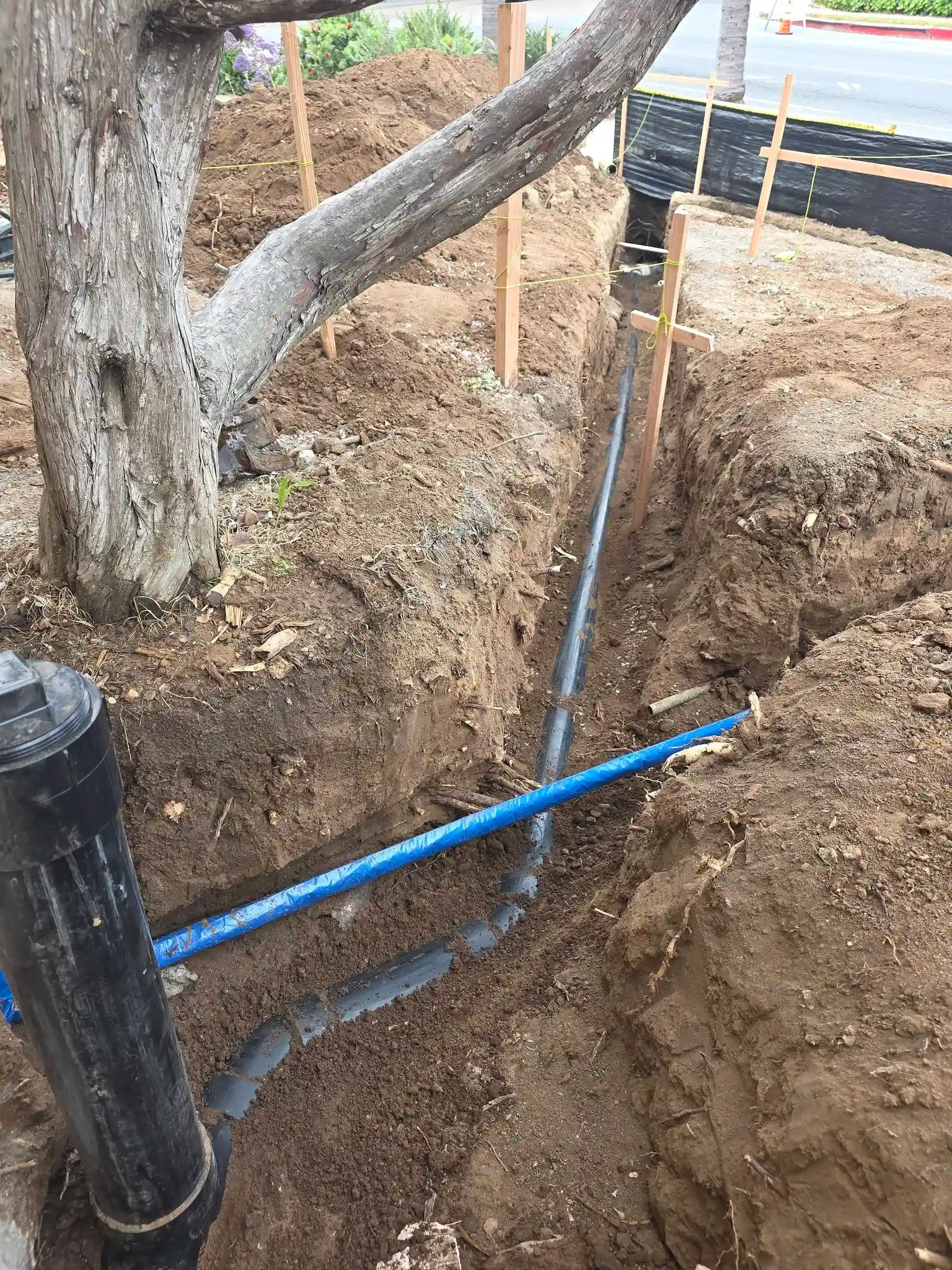
Licensed Plumbing ContractorRepair & InstallationHonest Guidance
Whole House Repiping Chula Vista
Whole House Repiping Chula Vista service for Chula Vista homes.
Key takeaways:
  • Repiping means replacing most or all of a home’s water supply lines — a bigger decision than a single pipe repair, usually driven by a pattern of repeat failures or aging pipe material rather than one isolated problem.
  • The three common repiping materials — copper, PEX, and CPVC — each have real tradeoffs worth understanding before you decide, not just a single “best” answer.
  • We’ll walk you through what the process actually looks like day to day, including access points, patching, and a realistic timeline, so there are no surprises once work begins.
  • If your situation is really a single isolated pipe issue rather than a system-wide pattern, we’ll tell you that honestly rather than recommending a full repipe you don’t need — see our Pipe Repair page if that sounds like your situation. Trust your home to a licensed repiping chula vista rather than risking DIY fixes.

Repiping is the decision to replace most or all of the water supply lines in a home, rather than repairing individual damaged sections one at a time. It’s a bigger commitment than a single pipe repair — more disruptive, more involved, and a genuinely different scope of work — which is exactly why it deserves a clear, honest explanation rather than a generic sales pitch. This page covers what actually drives that decision, what your material options are, what the process looks like, and what factors affect cost. Choosing the right repiping chula vista can make all the difference for your property.

Repiping vs. Pipe Repair: Making the Right Call

This is the question to answer first, because it changes everything else about scope, cost, and timeline:

  • Pipe repair fits when the problem is isolated — a single leak, a single corroded joint, a single failed section — and the rest of your system is holding up reasonably well for its age and material. See our Pipe Repair page for that scope of work.
  • Repiping fits better when you’ve had multiple, unrelated pipe failures over time, when your home still has original galvanized steel or aging polybutylene supply lines, when water throughout the home (not just one fixture) runs discolored, or when a plumber keeps finding “one more” failing section every time something else gets fixed.

We will not recommend a full repipe when a targeted repair is genuinely the right and less disruptive answer — that’s a standing commitment, not a marketing line. As a trusted repiping chula vista, we ensure the job is done right the first time.
Signs Your Home May Need Repiping

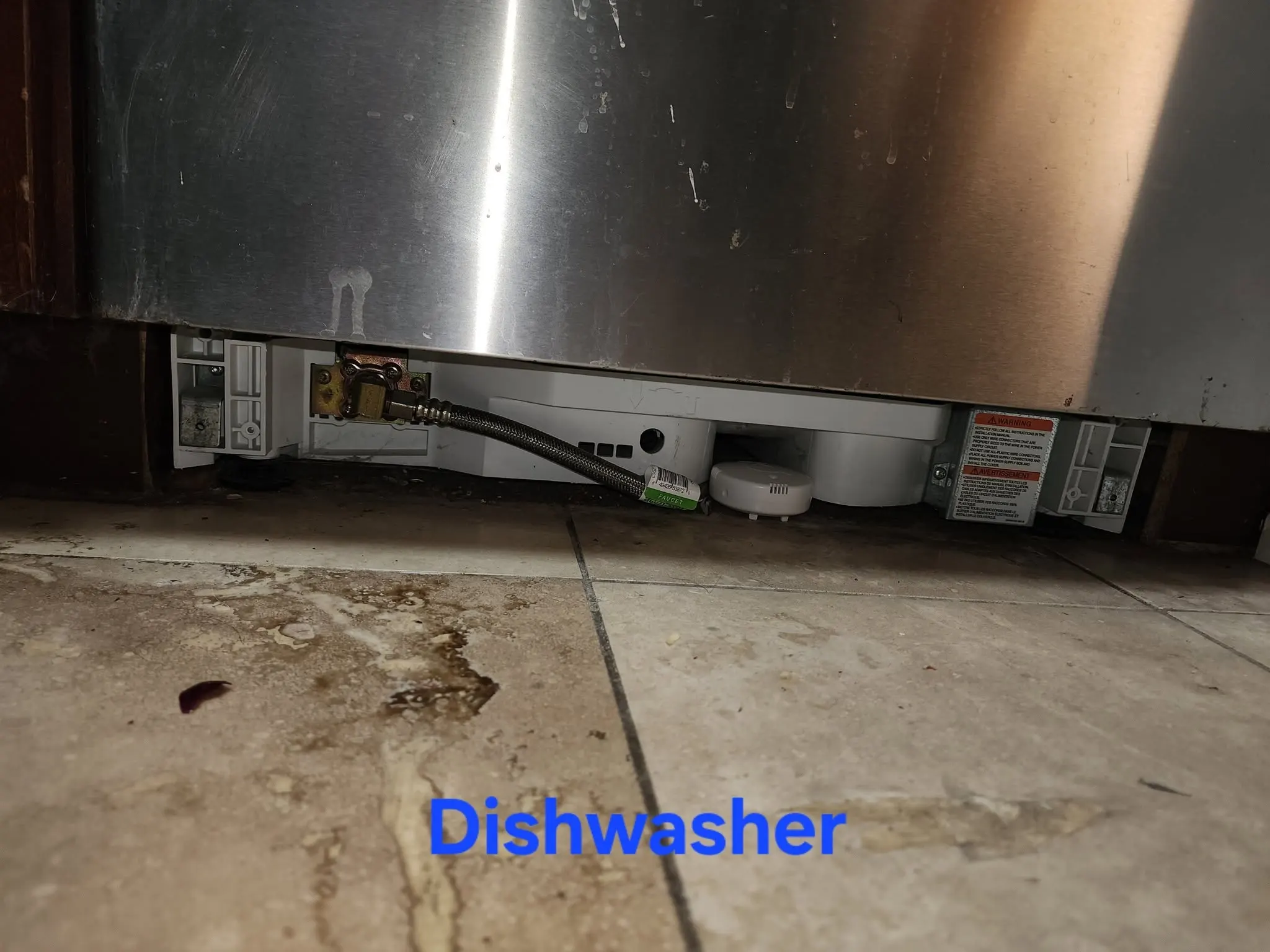
Signs Your Home May Need Repiping

  • Multiple pipe leaks or failures in different parts of the home over a relatively short period
  • Discolored (rust, brown, or yellow-tinted) water from multiple fixtures throughout the house, not just one
  • Visibly corroded, flaking, or dimpled exterior on exposed galvanized pipe
  • A home built during an era when galvanized steel or polybutylene was standard, with no known prior repiping
  • Persistently low or declining water pressure throughout the home that isn’t explained by a single fixable cause
  • Multiple slab leaks over time — see our Slab Leak Repair page if you’re dealing with an active one now
  • A home inspection or insurance evaluation that flagged aging supply line material as a risk

Repiping Material Options: Copper, PEX, and CPVC

There isn’t a single universally “best” material — the right choice depends on your home’s layout, budget, and priorities. We’ll walk through the tradeoffs relevant to your specific situation, but here’s the general picture:

  • Copper. The traditional standard — durable, resistant to bacterial growth, and handles high heat well. It’s typically the most expensive material option and requires more labor-intensive installation (soldered joints), and in some water conditions can be more prone to pinhole leaks over many decades than newer materials.
  • PEX (cross-linked polyethylene). Flexible plastic tubing that’s become the most common choice for residential repiping in recent years. It’s generally less expensive than copper, faster to install because it doesn’t require soldering, and its flexibility means fewer fittings and joints — often a genuine advantage since joints are common failure points. Some homeowners have concerns about long-term durability compared to copper, though PEX has a strong multi-decade track record at this point.
  • CPVC (chlorinated polyvinyl chloride). A rigid plastic pipe, generally less expensive than copper and a common alternative to PEX in certain applications. It handles heat well but can become more brittle over time in some conditions compared to PEX.

Galvanized and Polybutylene: Why These Materials Drive Repiping Decisions

Two older materials come up more than any others when we’re having the repiping conversation:

  • Galvanized steel, once standard in mid-20th-century construction, corrodes from the inside over decades, progressively narrowing the pipe’s interior and eventually failing — often at joints first, but eventually throughout the run. By the time visible symptoms show up, the corrosion has usually been developing for years.
  • Polybutylene, used in some construction from the 1970s through the 1990s, has a well-documented history of unexpected, sometimes sudden failure, which is why homes with known polybutylene supply lines are frequently flagged during real estate transactions and insurance evaluations.

If your home has either of these materials and no documented history of prior repiping, that alone is worth a conversation, even without active symptoms yet.
Overhead vs. Through-Wall Repiping: Two Approaches

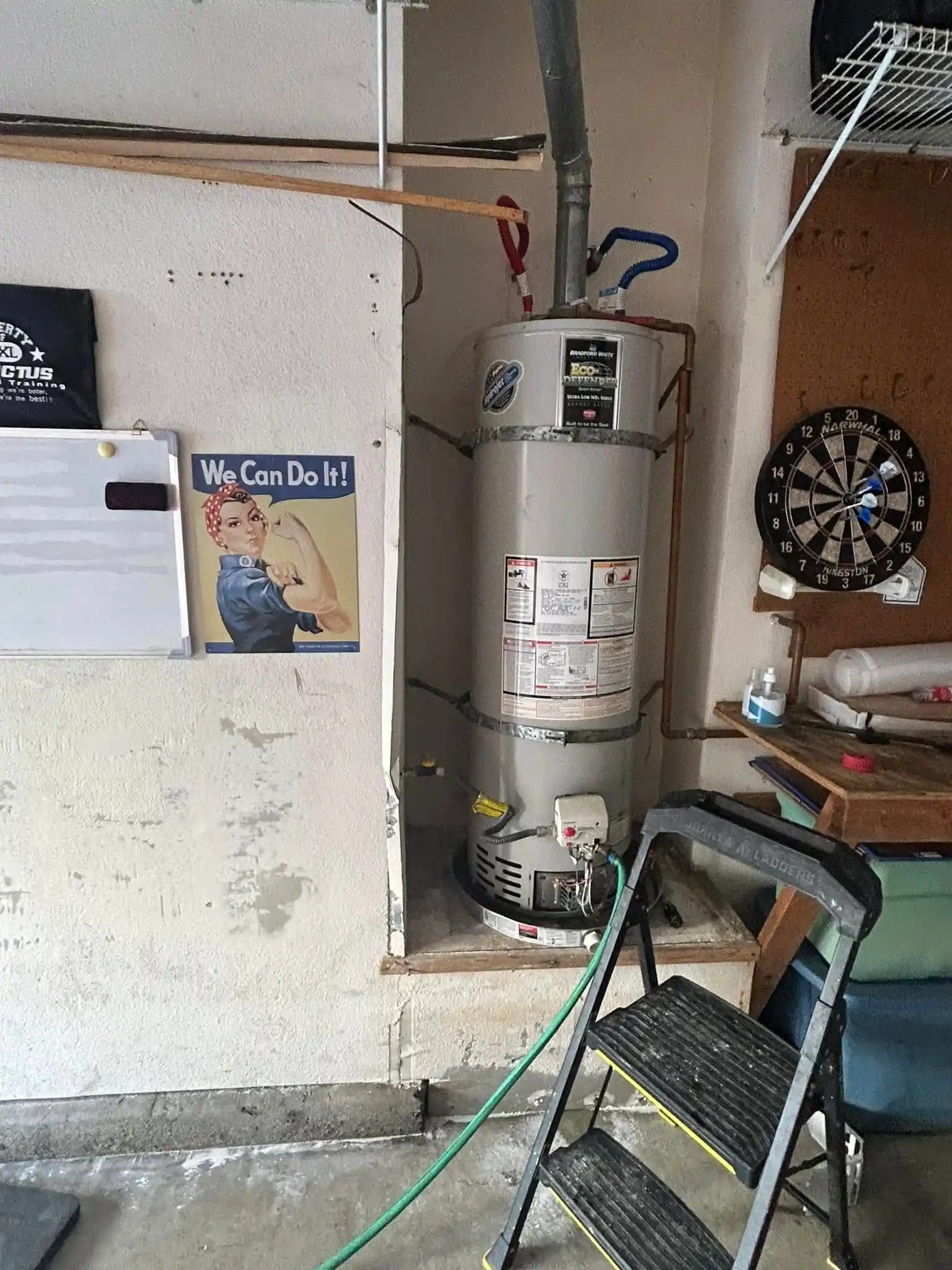
Overhead vs. Through-Wall Repiping: Two Approaches

Beyond material choice, there’s also a question of how the new lines get routed through your home, and the right approach depends heavily on your home’s construction:

  • Overhead (attic) repiping. Where a home has an accessible attic, new supply lines can often be routed overhead and dropped down to fixtures through walls, which can reduce the number of access points needed in living spaces and sometimes shortens the overall timeline.
  • Through-wall or under-floor repiping. In homes without a usable attic route, or where the existing plumbing was originally run through walls or under a raised foundation, new lines may need to follow a similar path, which typically means more wall access points.
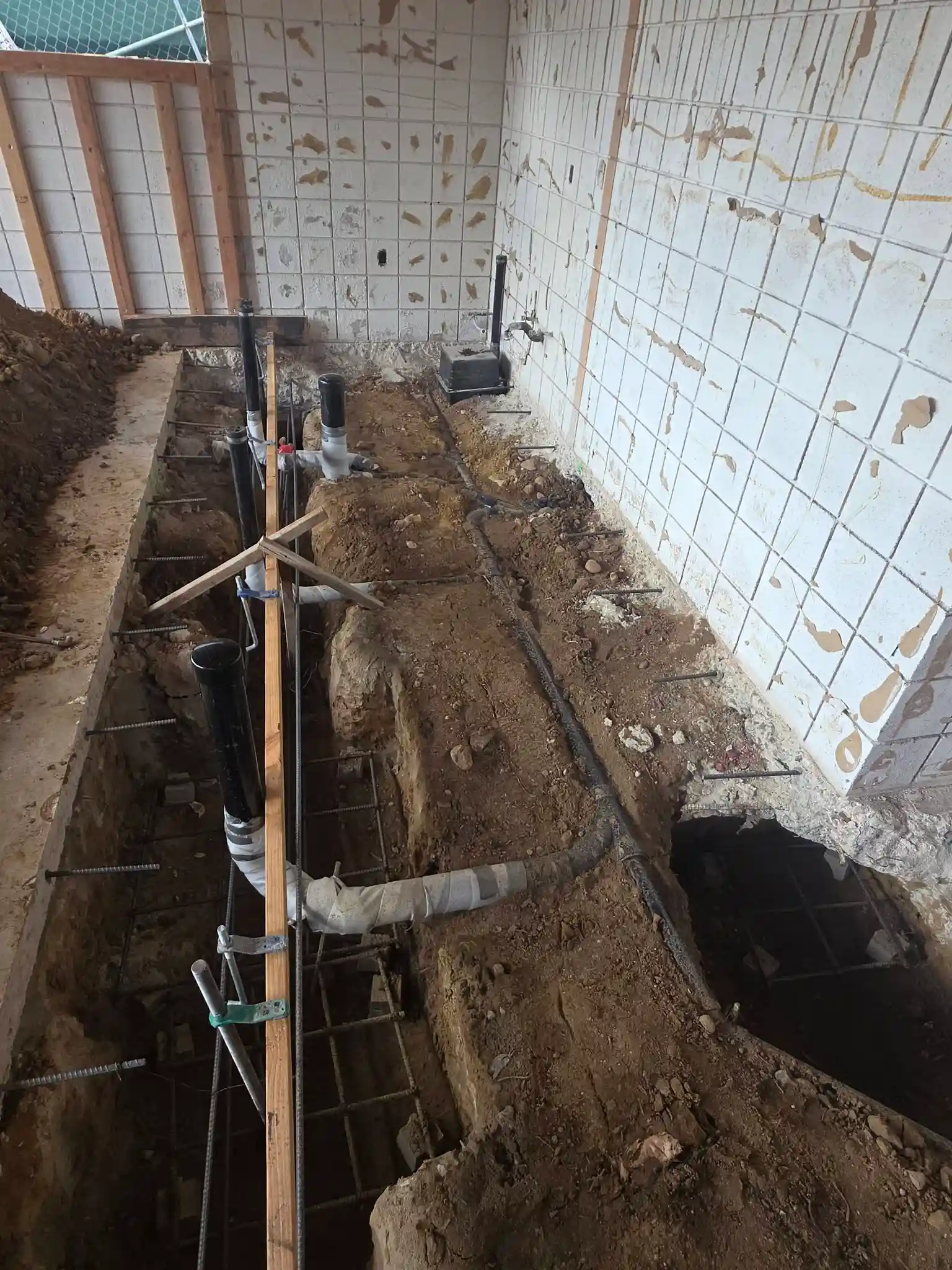
  • Slab-on-grade homes. For homes built directly on a concrete slab, without a crawlspace to route under, an overhead approach is often the more practical option specifically to avoid slab penetration — this is one of the bigger reasons slab-on-grade construction, common throughout the region, tends to steer the routing decision. As a trusted repiping chula vista, we ensure the job is done right the first time.

We’ll assess your home’s specific construction during the initial evaluation and explain which approach we recommend and why, rather than defaulting to one method regardless of what your home actually allows.

Planning Around a Repipe: Timing and Household Considerations

A project this disruptive is worth planning around, not just scheduling reactively: As a trusted repiping chula vista, we ensure the job is done right the first time.

  • Water availability. While water is typically only shut off for portions of each work day rather than the entire project, it’s worth planning meals, laundry, and other water-dependent activities around the days work is happening.
  • Pets and children. Cutting, drilling, and open access points can be both noisy and create temporary safety considerations worth planning for, particularly with young children or pets that may be curious about open walls.
  • Furniture and belongings. Rooms where access points are needed may require temporarily moving furniture away from walls — we’ll let you know in advance which areas are affected.
  • Multi-story homes. Repiping a multi-story home typically takes longer than a single-story home of similar size, since supply lines need to be routed vertically as well as horizontally.
  • Scheduling around other renovations. If you’re already planning a remodel that involves opening walls, coordinating the timing with a repipe can reduce the total amount of patching and disruption compared to doing them separately.

What the Repiping Process Looks Like

Repiping is disruptive by nature, and we’d rather set honest expectations upfront than have you discover the scope partway through:

1. Initial evaluation. We assess your current plumbing, identify the material and layout, and discuss whether a full repipe or a more limited approach genuinely fits your situation.

2. Material and route planning. We go over material options and the planned route — through walls, attic, crawlspace, or a combination — and explain what access points will be needed.

3. Access and installation. This is the most disruptive phase — it typically involves cutting limited access points in walls or ceilings to run new lines, then connecting new supply lines to existing fixtures.

4. Testing. Once new lines are installed, we pressure-test the system before closing anything up, to confirm there are no leaks at any joint or connection.

5. Patching and cleanup. Access points are patched (drywall repair is typically a separate trade from plumbing, and we’ll be clear about what’s included in our scope versus what you may need to arrange separately).

6. Final walkthrough. We confirm water is running properly to every fixture and address any remaining questions before considering the job complete. We are proud to be the repiping chula vista that the community relies on.
What Living Through a Repipe Is Like

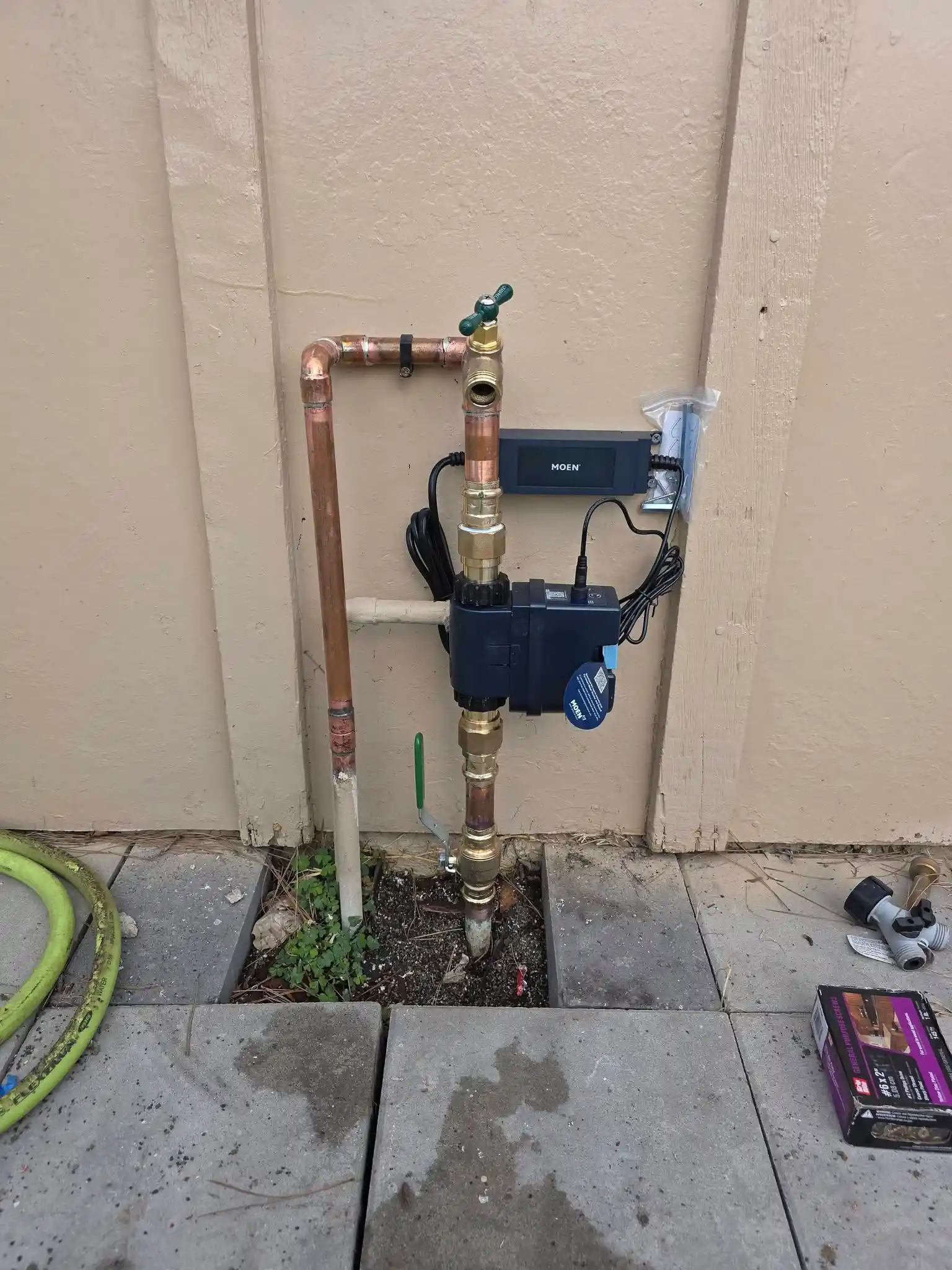
What Living Through a Repipe Is Like

Most homeowners can continue living in the home during a repipe, though it’s worth planning around some real disruption:

  • Water will be shut off for portions of each work day while lines are being connected
  • You’ll hear cutting and drilling noise during the access-point phase
  • Some rooms may be harder to use temporarily while access points are open
  • A whole-house repipe is typically a multi-day project rather than a single-day job — the exact timeline depends on your home’s size, layout, and material choice
  • Drywall patching leaves access points ready for paint, but matching texture and paint is often a separate step you’ll want to plan for

Common Repiping Myths Worth Clearing Up

  • “Repiping means tearing out my whole house.” In most homes, repiping is done through a limited number of strategic access points, not wholesale demolition — the goal is always to minimize disruption while still doing the work correctly.
  • “PEX is a cheap, lesser material.” PEX is less expensive than copper, but that reflects material and labor cost, not inferior performance — it’s a widely used, code-approved material with a strong track record, not a corner-cutting substitute.
  • “I’ll have no water for days.” Water is typically shut off only for portions of each work day while active connections are being made, not for the full duration of a multi-day project.
  • “Repiping fixes low pressure automatically.” It fixes pressure loss caused by internal pipe corrosion, but not pressure issues caused by other factors like a failing regulator or municipal supply issues — we’ll help you understand which applies to your situation.

Permits and Code Considerations

Repiping work involving structural penetrations and whole-system plumbing changes typically requires a permit and inspection through the City of Chula Vista’s building department. We’ll handle the permit and inspection process as part of the job rather than leaving that step to you — this isn’t optional paperwork, it’s how the work gets verified as done to code.
Repiping Cost Factors

Repiping Cost Factors

We don’t publish a fixed repiping price because the real cost drivers vary significantly by home:

  • Home size and layout. More fixtures and a larger footprint mean more linear feet of pipe and more access points.
  • Material choice. Copper generally costs more than PEX or CPVC, both in material and labor.
  • Accessibility. A single-story home with an accessible crawlspace or attic is typically less labor-intensive than a multi-story home or slab-on-grade construction requiring more wall penetrations.
  • Scope. Whole-house repiping costs more than a significant partial repipe limited to the most problematic sections.
  • Patching and finish work. Whether drywall and paint matching are included in your scope or handled separately affects the total project cost.

See our full Plumbing Cost & Pricing Guide for how our estimate process works generally — for a project this significant, we’ll always provide a detailed written estimate before any work begins.

Fixtures, Water Heaters, and What’s Included

Repiping addresses the supply lines themselves, but it’s worth understanding what’s connected to those lines and how the project touches them: Trust your home to a licensed repiping chula vista rather than risking DIY fixes.

  • Faucets, showers, and toilets. These connect to the new supply lines during the process, but repiping doesn’t replace the fixtures themselves — if you’re also planning fixture upgrades, it can make sense to coordinate that timing with the repipe.
  • Water heater connections. Your water heater’s supply and outlet connections are typically reconnected to the new lines as part of the project, though the water heater unit itself is a separate system — see our Water Heater Installation page if you’re also considering replacing an aging unit.
  • Outdoor spigots and irrigation. Depending on scope, exterior hose bibs and irrigation supply connections may or may not be included in a given repiping project — we’ll clarify what’s in scope during the evaluation so there’s no ambiguity later.
  • Shutoff valves. Repiping is also a natural opportunity to replace aging shutoff valves throughout the home, since new, reliable shutoffs at each fixture make future maintenance easier.

Chula Vista-Specific Repiping Considerations
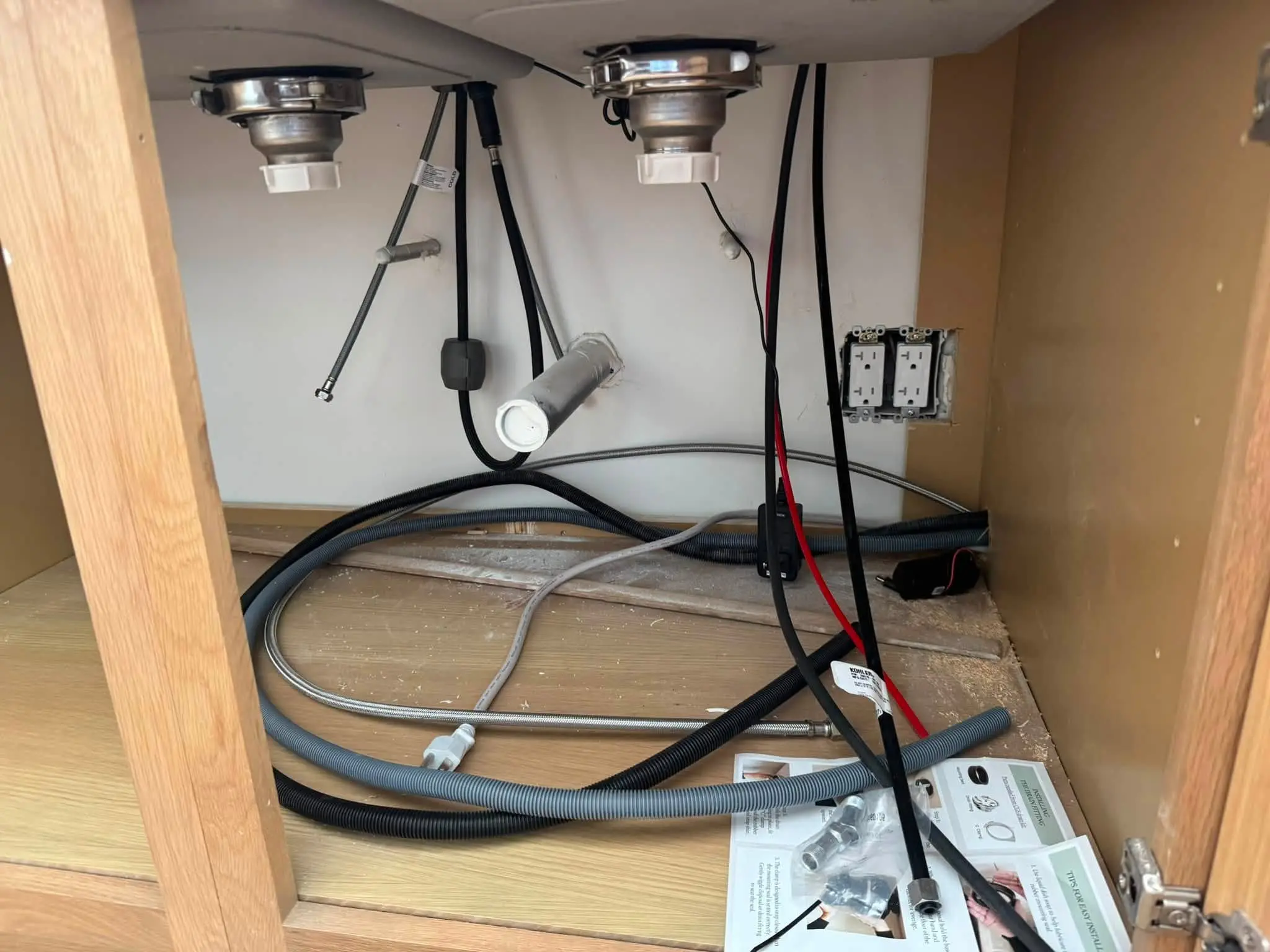
  • Housing age by neighborhood. Established west-side Chula Vista neighborhoods built with original galvanized steel supply lines are the properties we most often discuss repiping with — the material has typically reached or is approaching the end of its practical service life by now.
  • East-side newer construction. Homes built more recently are more likely to already have copper or PEX, meaning repiping conversations there are more often driven by a specific defect or damage rather than material age.
  • Slab-on-grade construction. Common throughout the region, this construction style affects how supply lines are routed and can make certain repiping approaches (like an overhead reroute through the attic) more practical than others.
  • Real estate transactions. Homes changing ownership sometimes have repiping recommended or required as part of an inspection contingency, particularly for older galvanized or documented polybutylene systems.
Repiping for Rental Properties and HOAs

Repiping for Rental Properties and HOAs

Multi-unit and HOA-governed properties present additional considerations — coordinating access across multiple units, sequencing work to minimize resident disruption, and documenting the work for association records or capital improvement planning. See our commercial and property-manager plumbing page for how we approach larger or multi-unit repiping projects. Trust your home to a licensed repiping chula vista rather than risking DIY fixes.

Verify We’re Licensed Before Any Repiping Work

Repiping is a significant, code-regulated scope of work, and it should always be performed by a properly licensed contractor who pulls the required permits. California’s Contractors State License Board (CSLB) maintains a free lookup tool at cslb.ca.gov where you can verify any plumbing contractor’s license status before committing to a project this size.

Frequently Asked Questions

How do I know if I need repiping instead of a repair?

If you’ve had multiple, unrelated pipe failures, discolored water from more than one fixture, or you have original galvanized or polybutylene supply lines with no repiping history, repiping is often the more honest long-term answer. A single isolated issue is usually better addressed with a targeted repair instead.

Which material should I choose: copper, PEX, or CPVC?

There’s no single best answer — copper is durable and traditional but more expensive and labor-intensive to install; PEX is flexible, generally less expensive, and has fewer joints; CPVC is a rigid, generally lower-cost alternative. We’ll go over which fits your home and budget during the evaluation. Our goal as your local repiping chula vista is to provide transparent and fast service.

How long does a whole-house repipe take?

It’s typically a multi-day project rather than a single day, with the exact timeline depending on your home’s size, layout, material choice, and accessibility. We’ll give you a realistic timeframe after the initial evaluation.

Can I stay in my home during repiping?

Most homeowners can, though it involves real disruption — water shut off for portions of each day, cutting and drilling noise, and some rooms temporarily harder to use while access points are open.

Will repiping damage my walls?

Some limited access points are typically needed in walls or ceilings to run new lines. We patch those access points as part of the job, though matching paint and texture is often a separate step to plan for. Knowing who to call when searching for a repiping chula vista saves you time and stress.

Do I need a permit for repiping?

Yes, in most cases — repiping involving structural penetrations and whole-system changes typically requires a permit and inspection through the City of Chula Vista’s building department. We handle that process as part of the job.

Is polybutylene pipe dangerous?

Polybutylene has a well-documented history of unexpected failure, which is why it’s frequently flagged during home inspections and insurance evaluations. Having it evaluated, even without active symptoms, is a reasonable precaution.

How much does repiping cost?

Cost depends on home size, layout, material choice, accessibility, and scope — we don’t publish a fixed price because these variables genuinely change the number significantly from home to home. We’ll provide a detailed written estimate after evaluating your specific situation.

Will my water pressure improve after repiping?

Often, yes, if reduced pressure was caused by internal corrosion narrowing your old pipes — new pipe with a full interior diameter typically restores normal flow, though other pressure causes (like a failing regulator) would need to be addressed separately.

Can I repipe just part of my house instead of the whole thing?

Yes — a significant partial repipe limited to the most problematic sections is sometimes the right scope, rather than a full whole-house replacement. We’ll discuss whether that fits your situation during the evaluation.

Does homeowners insurance cover repiping?

This depends on your specific policy and the reason for the repiping — proactive replacement of aging pipe is typically not covered the way sudden accidental damage might be. Coverage questions are best directed to your insurance provider.

What happens to my old pipes after repiping?

Old supply lines are typically disconnected and abandoned in place or removed, depending on accessibility — we’ll explain the approach for your specific home as part of the evaluation.

Will repiping include my water heater or fixtures?

Repiping addresses the supply lines themselves and reconnects them to your existing fixtures and water heater, but it doesn’t replace those items. If you’re also considering upgrading fixtures or your water heater, it can make sense to coordinate that timing with the repipe.

Does an overhead or through-wall approach cost more?

It depends on your home’s construction rather than one approach being universally more expensive — a slab-on-grade home often favors an overhead route specifically to avoid slab penetration, while a home with a crawlspace may have more flexibility. We’ll explain which approach fits your home and why during the evaluation. Knowing who to call when searching for a repiping chula vista saves you time and stress.

Considering Repiping for Your Chula Vista Home?

Whether you’re dealing with repeated pipe failures or just want an honest evaluation of your aging plumbing, we’ll walk you through your material options, the real process, and the actual cost factors before you decide anything. Contact us to get started. For any issues, relying on a professional repiping chula vista is the safest bet.

Ready for Reliable Plumbing Service?

Whether it’s an urgent repair, a routine replacement, or you just need an honest diagnosis, we provide the reliable plumbing services Chula Vista households depend on.

Licensed C-36 Contractor Honest Diagnostics Professional Installation
✓ CSLB Certified Technical Review
MM

Reviewed by Marco Morales

California C-36 Licensed Master Plumber (CSLB #984120) • Senior Technical Director

This guide has been reviewed for technical accuracy, safety standards, and strict adherence to the California Plumbing Code (CPC Title 24), Uniform Plumbing Code (UPC), and local City of Chula Vista Building & Safety Division municipal codes. All repair methodologies reflect standard commercial and residential best practices for San Diego County water quality and municipal lateral specifications.