Chula Vista Plumbing Now

Call (619) 558-3293
Home  ›  Plumbing Services  ›  Commercial Plumbing

Commercial & Multifamily Plumbing · Chula Vista & South Bay

Commercial Plumber Chula Vista CA — Licensed Local Support

Commercial plumber Chula Vista CA is the focus of this local guide. Commercial and multifamily plumbing isn't just residential plumbing at a larger scale — it comes with different priorities. A property manager needs documentation for association records or insurance. An HOA board needs common-area work coordinated with minimal resident disruption. A commercial property owner needs downtime minimized and code compliance handled without having to manage the details themselves. This page covers how we approach that work specifically, alongside the full range of residential-grade services covered in depth on our individual service pages, all available and coordinated appropriately at commercial and multi-unit scale.

Licensed Plumbing ContractorProperty & HOA CoordinationClear Documentation
Commercial drain-cleaning equipment prepared for service at a Chula Vista property
Commercial plumbing service for Chula Vista properties.

Key takeaways:

  • We handle plumbing for property managers, HOA-governed communities, and commercial property owners — work that involves different priorities than a single-family home call: minimizing disruption, coordinating across multiple units or tenants, and documenting work clearly.
  • Multifamily and commercial plumbing issues often show up as small, easy-to-miss warning signs before becoming a larger, more expensive problem — proactive attention matters more here than in a single-family home.
  • Every residential service covered elsewhere on this site — leak detection, drain cleaning, water heater work, pipe repair, fixture repair, and more — is available at commercial and multi-unit scale, coordinated to fit your property's operational needs.
  • We're licensed and can verify that status before any work begins, which matters for your own documentation and liability purposes as much as ours.

Who We Work With

  • Property managers overseeing single or multiple rental properties, who need reliable, well-documented plumbing service across a portfolio rather than a one-off residential call.
  • HOA boards and community associations, where plumbing issues can involve both individual units and shared common-area infrastructure, each with different responsibility and documentation needs.
  • Commercial property owners, where plumbing issues affect business operations and tenants, and downtime has a direct operational cost.
  • Multifamily building owners and operators, where a single plumbing issue can potentially affect multiple units and requires coordinated communication and scheduling.

Warning Signs Property Managers Shouldn't Ignore

Multifamily and commercial plumbing problems often give early warning signs that are easy to write off individually but point to a larger issue when viewed across a property:

  • Recurring clogs in the same unit or common-area drain, which often indicate a partial blockage further down a shared line rather than an isolated, one-time issue in that specific fixture.
  • Multiple units reporting similar issues around the same time (reduced pressure, discolored water, slow drains), which can point to a shared-infrastructure problem rather than several unrelated individual complaints.
  • Unexplained increases in a property's water bill, the same early-warning signal covered on our residential pages, but with higher financial stakes at commercial scale.
  • Aging original plumbing infrastructure with no documented history of repair or replacement, particularly in older buildings — a pattern worth proactively evaluating rather than waiting for a failure that affects multiple tenants at once.
  • Resident or tenant complaints that get resolved individually without anyone looking for a shared root cause — a common blind spot in reactive, unit-by-unit maintenance approaches.
  • A pattern of after-hours or weekend emergency calls concentrated at one property, which can indicate a systemic issue that's only surfacing under peak-usage conditions rather than a series of unrelated coincidences.

Treating these as isolated, one-off complaints rather than potential signals of a shared or systemic issue is one of the most common and costly mistakes in multifamily plumbing management.

Emergency Plumbing for Commercial and Multi-Unit Properties

Plumbing emergencies at commercial and multi-unit scale carry different stakes than a single-family home emergency — a burst pipe or major leak can affect multiple tenants, disrupt business operations, or create liability exposure well beyond the immediate repair cost. When you're dealing with an active emergency — significant water flow, sewage backup, or a total loss of water or hot water affecting a whole building — see our Emergency Plumbing page for what counts as a true emergency and what to do while help is on the way. For property managers and commercial owners specifically, having a plumber's contact information readily available to on-site staff before an emergency happens, rather than searching for one during an active crisis, is a simple step that saves real time.

Insurance, Liability, and Documentation Considerations

Commercial and multi-unit plumbing work carries documentation needs that a typical single-family repair doesn't:

  • Incident documentation. When a plumbing failure causes property damage, clear documentation of the cause, the repair, and the timeline can matter for insurance claims — we're happy to provide that documentation as part of the work.
  • Liability clarity. In multi-unit and HOA settings, understanding what caused an issue (a fixture failure inside a unit vs. a shared-line failure) can matter for determining financial responsibility, even though the final determination is typically made by the association, insurer, or property owner rather than by us.
  • Vendor records for capital planning. A documented history of plumbing repairs and inspections across a property supports long-term capital improvement budgeting, helping ownership anticipate major expenses (like an aging building's eventual need for repiping) rather than being caught off guard by them.
  • Compliance records. For services like backflow prevention testing that carry code-required documentation, we provide records suitable for your compliance file.
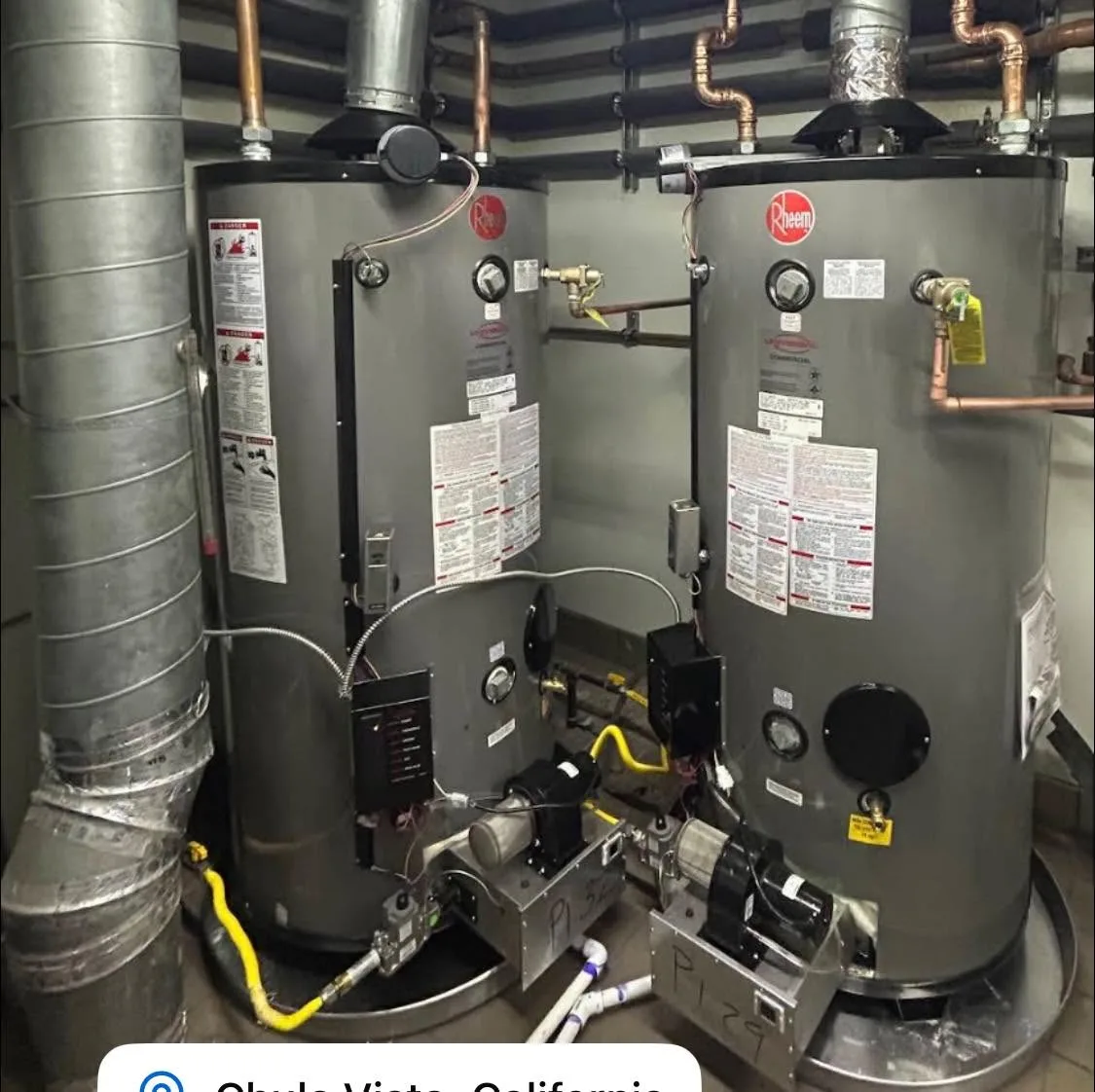
Commercial water-heater system serving a Chula Vista property
Proactive Maintenance for Multi-Unit Properties

Proactive Maintenance for Multi-Unit Properties

Reactive, one-call-at-a-time plumbing management tends to cost more over time than a proactive approach, particularly at multi-unit scale:

  • Scheduled drain maintenance for common-area and shared lines, reducing the frequency of emergency clog calls — see our Hydro Jetting page and Drain Cleaning page for what that service involves in more depth.
  • Periodic fixture and water heater inspections, particularly valuable in properties with aging, original building-era plumbing infrastructure.
  • Standardizing on durable, easy-to-source fixtures and parts across units, which we touched on in our Fixture Repair & Installation page, so that repeat maintenance doesn't require sourcing discontinued components unit by unit.
  • Documentation of prior work and known issues, which helps both with maintenance planning and with providing a clear record for association or ownership records.

Seasonal and Recurring Maintenance Considerations

Certain maintenance needs recur predictably enough that scheduling them proactively, rather than waiting for a resident complaint, tends to reduce total plumbing cost over a property's operating year:

  • Pre-season drain checks, particularly for properties with outdoor common areas and landscaping-adjacent drainage, ahead of periods of heavier rainfall.
  • Annual or semi-annual water heater inspection, especially for central or shared water heating systems serving multiple units, where a failure has a larger impact than a single-unit water heater going out.
  • Periodic review of irrigation-adjacent supply lines for HOA-managed common landscaping, since a hidden leak here can run for a long time before anyone notices, given that no individual resident is monitoring that specific line.
  • Coordinated review timing around unit turnover, when a vacant unit provides easier access for a more thorough plumbing check than when it's occupied.

What to Look for in a Commercial Plumbing Partner

If you're evaluating plumbing vendors for a property or association, a few things are worth prioritizing beyond just price:

  • Responsiveness and clear communication, particularly for issues affecting multiple residents or tenants where delayed communication compounds frustration.
  • Willingness to document work clearly, since that documentation supports your own recordkeeping, insurance processes, and long-term capital planning.
  • Comfort working with association boards or on-site management, not just individual homeowners — commercial and multifamily work often involves a different decision-making structure than a single-family call.
  • Verified licensing, which you can and should confirm independently rather than relying on a vendor's own claim — see the verification section below.
  • A track record of being direct about scope and honest about what is and isn't included, rather than a vendor who under-scopes an estimate to win the job and then adds costs once work has started.
  • Consistency of the crew you work with over time, which tends to build familiarity with your specific property's quirks and history rather than starting from zero with a different technician every visit.

Backflow Prevention Testing for Commercial Properties

Backflow prevention testing is a code-required annual service for many commercial properties, protecting the public water supply from potential contamination through cross-connections. We offer backflow prevention testing and repair as one of our confirmed services — if your commercial property is due for annual testing or you're not sure when your last test was performed, this is worth addressing proactively rather than waiting for a compliance issue to surface it.

Coordinating Work Across Multiple Units or Tenants

Multi-unit and commercial work requires a different operational approach than a single-family residential call:

  • Clear scheduling communication, so tenants or residents know when work is happening and what to expect, minimizing disruption and complaint volume.
  • Sequencing work to limit downtime, particularly relevant for issues affecting shared infrastructure that serves multiple units.
  • Documentation for association or ownership records, including what was found, what was done, and any follow-up recommendations — useful for capital improvement planning, insurance purposes, and maintaining a clear property maintenance history.
  • Coordinating with on-site management or maintenance staff, when a property has its own team, rather than working around them.

Full Residential Service Range, Available at Commercial Scale

Every service covered in depth on our individual service pages is available for commercial and multi-unit properties, coordinated to fit your property's scheduling and documentation needs:

  • Leak Detection — particularly valuable for multi-unit buildings where a hidden leak can affect more than one unit or shared infrastructure
  • Slab Leak Repair and Pipe Repair — for isolated or system-wide pipe issues
  • Repiping — for older properties with aging galvanized or polybutylene supply lines affecting multiple units
  • Drain Cleaning and Hydro Jetting — for shared and common-area drain lines
  • Sewer Line Repair — for main line issues affecting a whole building or property
  • Water Heater Repair and Water Heater Installation — including central or multi-unit water heating systems
  • Toilet Repair and Fixture Repair & Installation — at unit or common-area scale

Aging Infrastructure in Older Chula Vista Properties

Many of the same housing-age factors covered on our residential pages apply directly to older multifamily and commercial buildings in Chula Vista's established neighborhoods — original galvanized steel supply lines, cast-iron drain lines, and aging fixtures that were standard when a property was built decades ago. A property with no documented history of plumbing updates since original construction is a reasonable candidate for a proactive evaluation, particularly if any of the warning signs covered above have started to show up.

Chula Vista-Specific Commercial Considerations

  • Housing and building age by area. Established west-side neighborhoods and older commercial corridors are more likely to have original, decades-old plumbing infrastructure, while newer east-side commercial and multifamily development generally has more modern materials and fewer age-related failure points — the same housing-age pattern that runs through our residential pages applies at commercial scale.
  • Water hardness. Regional water hardness affects commercial water heaters, fixtures, and backflow prevention devices the same way it affects residential systems, generally accelerating mineral-related wear over time.
  • Coastal-adjacent properties. Properties closer to the coast may see additional corrosion considerations on exposed metal components, worth factoring into a proactive maintenance conversation for applicable properties.
  • Growth in multifamily development. Chula Vista has seen substantial multifamily and mixed-use development in recent years, meaning many properties are relatively new — for these, proactive documentation from day one (rather than waiting until problems emerge) is the more cost-effective long-term approach.
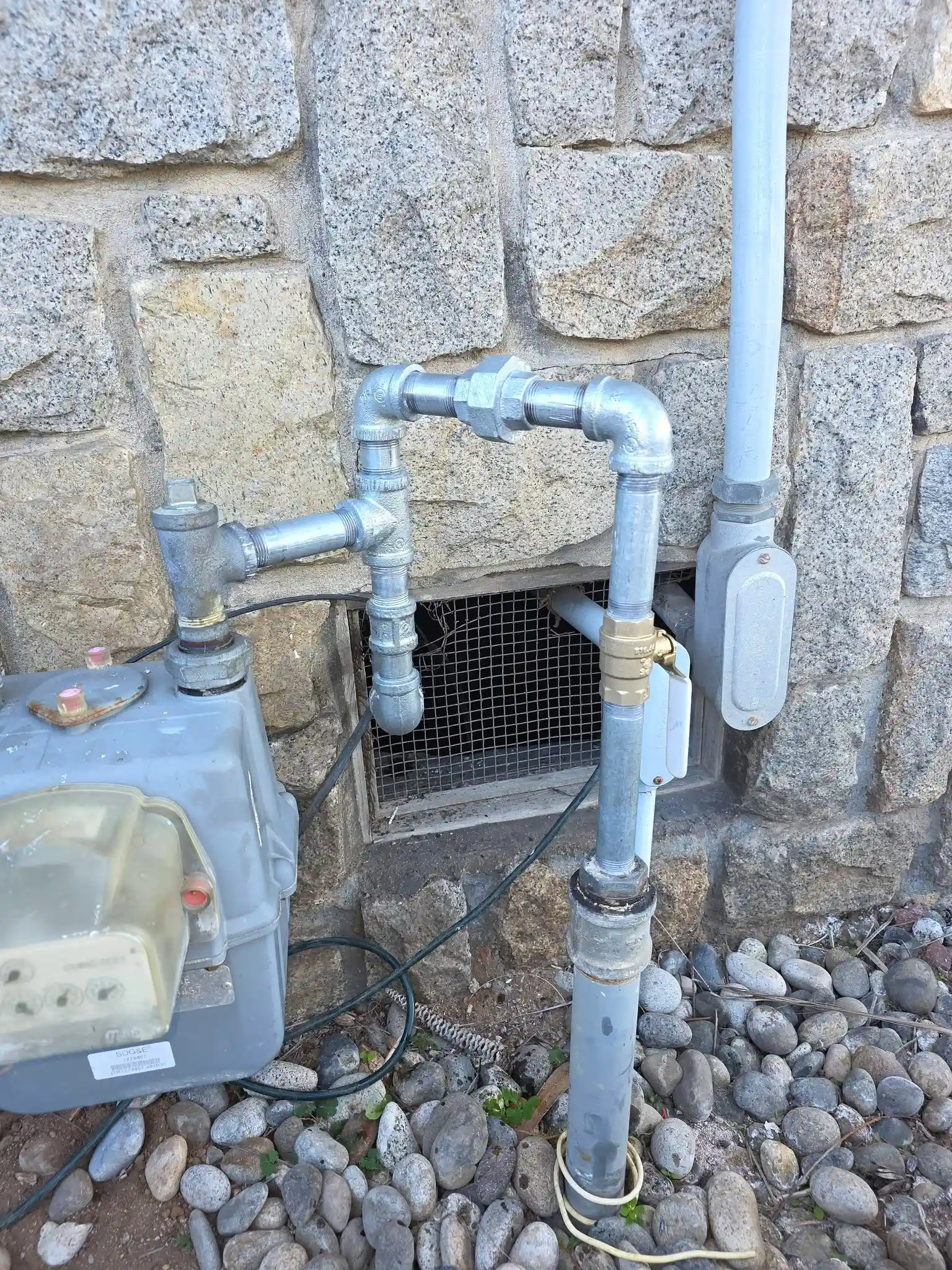
Water meter and pipe connections at a Chula Vista property
Chula Vista-Specific Commercial Considerations

HOA Common-Area vs. Unit Responsibility

One recurring point of confusion in HOA-governed properties is determining whether a given plumbing issue is the association's responsibility (shared/common-area infrastructure) or an individual unit owner's responsibility (fixtures and lines within a specific unit). We're happy to diagnose an issue and explain what we're seeing, but the actual responsibility determination is typically governed by your association's CC&Rs and is a conversation for your HOA board or management company — not something we determine on your behalf.

What to Expect When You Contact Us for a Commercial or Multi-Unit Property

  1. Describe the situation. A single unit's issue, a shared-infrastructure concern, or a proactive maintenance inquiry — we'll ask enough to understand scope and coordinate appropriately.
  2. We assess and diagnose, coordinating access and scheduling around your property's specific tenants, residents, or operational needs.
  3. We explain findings and options clearly, including documentation suitable for your records if needed.
  4. We complete the work, sequenced to minimize disruption where the scope allows.
  5. We provide documentation of what was found and done, useful for association records, capital planning, or insurance purposes.
  6. We follow up on any recommended next steps, whether that's a scheduled proactive maintenance item or a longer-term capital planning consideration worth flagging to ownership or the board.

Commercial and Multi-Unit Plumbing Cost

Cost varies significantly based on property size, scope, and whether the work involves an isolated unit or shared infrastructure affecting multiple units. We don't publish a fixed commercial rate for that reason, but we commit to providing a clear, documented estimate before work begins, including how access, scheduling around occupied units, and any after-hours coordination affect the total cost. See our full Plumbing Cost & Pricing Guide for how our estimate process works generally — the same transparency principles apply at commercial scale.

Verify We're Licensed Before Any Commercial Work

California's Contractors State License Board (CSLB) maintains a free lookup tool at cslb.ca.gov where you can verify any plumbing contractor's license status before work begins — for property managers and HOA boards, this verification is also useful documentation for your own records and vendor vetting process.

Frequently Asked Questions

Do you work with property management companies?

Yes — we work directly with property managers overseeing single or multiple properties, coordinating scheduling and providing documentation suited to portfolio-level maintenance needs.

Can you handle plumbing issues affecting multiple units in the same building?

Yes — shared-infrastructure issues affecting multiple units are one of the areas where proactive diagnosis matters most, since what looks like several unrelated unit complaints can sometimes trace back to one shared root cause.

Do you provide documentation for HOA or association records?

Yes — we can provide documentation of findings and completed work suitable for association records, capital improvement planning, or insurance purposes.

Who's responsible for a plumbing issue in an HOA — the association or the unit owner?

That determination is typically governed by your association's CC&Rs and is a decision for your HOA board or management company. We'll diagnose the issue and explain what we're seeing, but we don't make the responsibility determination.

Do you offer backflow prevention testing for commercial properties?

Yes — backflow prevention testing and repair is one of our confirmed services, relevant for the annual code-required testing many commercial properties need.

Can you provide proactive maintenance rather than only responding to emergencies?

Yes — scheduled drain maintenance, periodic fixture and water heater inspections, proactive evaluation of aging infrastructure, and seasonal checks ahead of heavier-use periods are all available, reducing emergency call frequency and cost over time compared to a purely reactive approach.

Do you work with commercial property owners as well as residential landlords?

Yes — our commercial and multi-unit services extend to commercial property owners, not just residential rental and HOA properties.

How do you minimize disruption to tenants during multi-unit work?

Through clear scheduling communication, sequencing work to limit downtime where the scope allows, and coordinating with on-site management or maintenance staff when a property has its own team.

Do you offer grease trap or restaurant-specific plumbing services?

That's not a service we've confirmed as part of our current offering — if you have a specific commercial plumbing need beyond what's described on this page, contact us directly and we'll let you know honestly whether it's something we handle.

What warning signs should property managers watch for?

Recurring clogs in the same drain, similar complaints from multiple units around the same time, unexplained water bill increases, and aging infrastructure with no documented repair history are all signals worth investigating proactively rather than treating as isolated, one-off issues.

How is commercial plumbing pricing different from residential?

Cost factors are similar in principle — scope, accessibility, and materials — but commercial and multi-unit work often involves additional coordination and documentation, which we account for in a written estimate rather than a fixed rate. See our pricing guide for how our estimate process works generally.

Can I request an evaluation of aging plumbing infrastructure before it becomes a problem?

Yes — a proactive evaluation is a reasonable request, particularly for older properties with no documented history of plumbing updates since original construction, and can help with capital improvement planning before a failure forces the decision.

What should I look for when choosing a commercial plumbing vendor?

Beyond price, prioritize responsiveness, clear documentation practices, comfort working with association boards or on-site management, verified licensing, and a track record of honest, accurately-scoped estimates rather than one that changes significantly once work has started.

Do you handle emergency plumbing for commercial and multi-unit properties?

Yes — commercial and multi-unit emergencies carry higher stakes than a single-family emergency, since they can affect multiple tenants or disrupt business operations. See our Emergency Plumbing page for what counts as a true emergency and what to do while help is on the way.

Can on-site maintenance staff work alongside your team during a repair?

Yes — when a property has its own maintenance or management staff, we coordinate with them directly rather than working around them, which tends to make both scheduling and follow-up communication smoother.

Can you provide documentation for insurance claims after a plumbing-related incident?

Yes — we can document the cause, the repair performed, and the relevant timeline, which is useful for supporting an insurance claim, though the claim process itself is between you and your insurer.

Managing a Property or Association in Chula Vista?

Whether you're dealing with a specific issue, coordinating a multi-unit repair, planning ahead for aging infrastructure, or interested in setting up proactive maintenance for your property, we'll work with you directly and provide the documentation you need. Contact us to get started.

Local planning guidance

Commercial Plumber Chula Vista CA Planning Guide

Commercial and multifamily plumbing decisions work best when the property condition, occupants, documentation needs, and business operations are considered together. The following guidance adds practical context without replacing an on-site assessment.

Start With the Symptoms

When comparing commercial plumber chula vista ca, begin with the symptoms rather than a preferred repair. Note when the problem started, whether it is constant or intermittent, which fixtures or areas are affected, and what changed just before it appeared. For property managers, HOA boards, multifamily owners, and commercial operators, that short history helps distinguish an isolated nuisance from a system issue. Photographs, utility-bill changes, and a simple timeline can make the first conversation more useful while keeping attention on the actual condition instead of assumptions.

Match the Service to the Cause

The right commercial plumber chula vista ca approach depends on identifying the cause before selecting equipment or authorizing work. Shared lines, recurring restroom issues, variable demand, tenant reports, and equipment serving multiple spaces can make a commercial symptom more complex than it first appears. A careful evaluation connects the visible symptom to the most likely source, considers access and surrounding materials, and explains what can be confirmed now versus what may require an additional test. That process supports a proportionate recommendation and reduces the chance of paying for a temporary response to a recurring problem.

Plan for Access and Property Conditions

Before scheduling commercial plumber chula vista ca, consider how the property itself may affect access and sequencing. Older buildings, mixed-use properties, coastal exposure, additions, and shared service arrangements can all influence the practical scope in Chula Vista. Clear access to shutoffs, equipment, cleanouts, work areas, and parking can shorten setup time. If walls, flooring, landscaping, tenants, pets, gates, or association rules are involved, sharing those details early helps the visit proceed with fewer surprises and allows protective measures to be planned before work begins.

Understand the Estimate

A written commercial plumber chula vista ca estimate should separate the known scope from conditions that cannot be confirmed until access or testing occurs. Useful estimates describe labor, materials, included cleanup, expected disruptions, and any choices that could change the total. Commercial pricing can be influenced by access, occupancy, after-hours coordination, equipment capacity, documentation, permits when applicable, and the number of affected units or fixtures. Asking what is included, what would trigger a change order, and what alternatives exist makes it easier to compare recommendations on equal terms instead of focusing only on the first number.

Coordinate Timing and Communication

Good commercial plumber chula vista ca communication includes timing, access, water shutoff needs, and a realistic explanation of what occupants may experience. Commercial work may involve tenants, board members, site staff, vendors, delivery schedules, and restricted work areas, so a defined communication plan matters. A clear point of contact, current phone number, and approval process are especially helpful when the person authorizing work is not at the property. Confirming these details in advance keeps decisions moving and helps everyone understand the next step without relying on vague arrival or completion promises.

Reduce Repeat Problems

Timely commercial plumber chula vista ca work should address the immediate concern while also considering why it happened. Recurring clogs, aging valves, corrosion, inconsistent pressure, water-heater demand, and shared-system complaints deserve trend-based review rather than repeated isolated fixes. Prevention does not mean replacing everything or purchasing unnecessary maintenance. It means identifying practical actions—such as monitoring a fixture, correcting usage patterns, scheduling an appropriate inspection, or planning a future upgrade—that match the condition, age, and risk of the system.

Know When the Situation Is Urgent

Requests for commercial plumber chula vista ca can become urgent when there is uncontrolled water, sewage exposure, a gas odor, electrical risk, property damage, or loss of an essential fixture. Active flooding, sewage, suspected gas, loss of water to occupied units, and conditions affecting sanitation or safe building operation should be stated immediately. When safety is uncertain, stop using the affected system, protect people from the area, and describe the exact condition when calling. A calm description of what is happening helps determine whether immediate action, a utility response, or a normally scheduled visit is appropriate.

Confirm the Work Before Completion

After commercial plumber chula vista ca, review what was found, what was completed, and what remains to be watched. Property records should clearly identify the location, affected unit or common area, materials used, observed limitations, and any recommended monitoring. Keep estimates, invoices, photographs, model information, and maintenance notes with the property records. If a symptom returns, those records give the next technician useful context and help distinguish a new problem from the original condition. Clear closeout information is part of a professional service experience, not an optional extra.

For property teams seeking commercial plumber Chula Vista CA support, the most useful next step is to describe the building, affected area, current symptoms, access requirements, and decision-maker. That information helps organize an efficient first conversation and a scope suited to the property.

✓ CSLB Certified Technical Review
MM

Reviewed by Marco Morales

California C-36 Licensed Master Plumber (CSLB #984120) • Senior Technical Director

This guide has been reviewed for technical accuracy, safety standards, and strict adherence to the California Plumbing Code (CPC Title 24), Uniform Plumbing Code (UPC), and local City of Chula Vista Building & Safety Division municipal codes. All repair methodologies reflect standard commercial and residential best practices for San Diego County water quality and municipal lateral specifications.