
Most single-drain clogs are caused by hair, soap scum, food waste, or grease buildup, and clear with standard drain cleaning
Slow, clogged, or gurgling drain?
Drain Cleaning Chula Vista — Licensed Local Service
Drain cleaning Chula Vista is the focus of this local guide. If you're dealing with a slow, clogged, or gurgling drain in Chula Vista, California, call (619) 558-3293 for licensed drain cleaning — we diagnose the actual cause before we clear it, rather than treating every clog the same way. Most drain problems are genuinely simple. Some aren't — and knowing the difference before you spend money on the wrong fix is worth a few minutes of reading below.
C-36 Licensed
Diagnose Before We Clean
At a glance
Key Takeaways
Whole-house slow drainage or recurring clogs after cleaning can point to a deeper problem — see “When a Clog Isn't Really a Clog” below
Hydro jetting is a different, more intensive method than standard drain cleaning — not every clog needs it
We diagnose before we clean, so you're not paying for the wrong service
Call (619) 558-3293 to schedule, or describe your symptom and we'll tell you what we think is going on
By fixture, not one-size-fits-all
What Causes a Clogged Drain
Different drains clog for different reasons, and knowing which applies to yours helps set expectations for the fix:
Kitchen Sinks
Grease, oil, and food particles that solidify inside the pipe over time — the same FOG (fats, oils, grease) buildup that's a leading cause of sewer lateral failure at the larger scale, just happening closer to the fixture here.
Bathroom Sinks & Tubs
Hair combined with soap scum, which binds together into a blockage that's often visible near the drain opening but can extend further down the pipe than it looks.
Toilets
Usually a separate issue from sink/tub clogs — see our Toilet Repair page (page in development) for toilet-specific causes like fill valve or float problems, which aren't the same as a physical blockage.
Laundry Lines
Lint and detergent residue building up over repeated wash cycles, especially in older homes with narrower original pipe diameters.
Outdoor / Main Drain Lines
Tree-root intrusion and general debris — this overlaps with sewer lateral causes; see the next section for how to tell the difference.
Read this before you call anyone for "drain cleaning"
When a Clog Isn't Really a Clog
This is the distinction that matters most: a single slow or clogged drain is usually a simple, local blockage. But if you're seeing any of the following, the actual problem may be in your sewer lateral, not the individual drain:
- More than one drain draining slowly at the same time — a single-fixture clog doesn't usually affect multiple drains simultaneously
- A clog that comes back shortly after being cleared, more than once
- Gurgling in one fixture when you run water in a different one
- Sewage odor, especially in the yard near where your lateral runs toward the street
If any of these describe what you're experiencing, standard drain cleaning may provide temporary relief without addressing the real cause — see our Sewer Line Repair & Sewer Lateral guide for the full explanation of lateral-specific symptoms, causes, and who's responsible for repairing it. We'd rather tell you this upfront than clear a drain today that backs up again next month because the actual problem was never addressed.
A common point of confusion, answered directly
Drain Cleaning vs. Hydro Jetting: What's the Difference?
Drain Cleaning (Snaking)
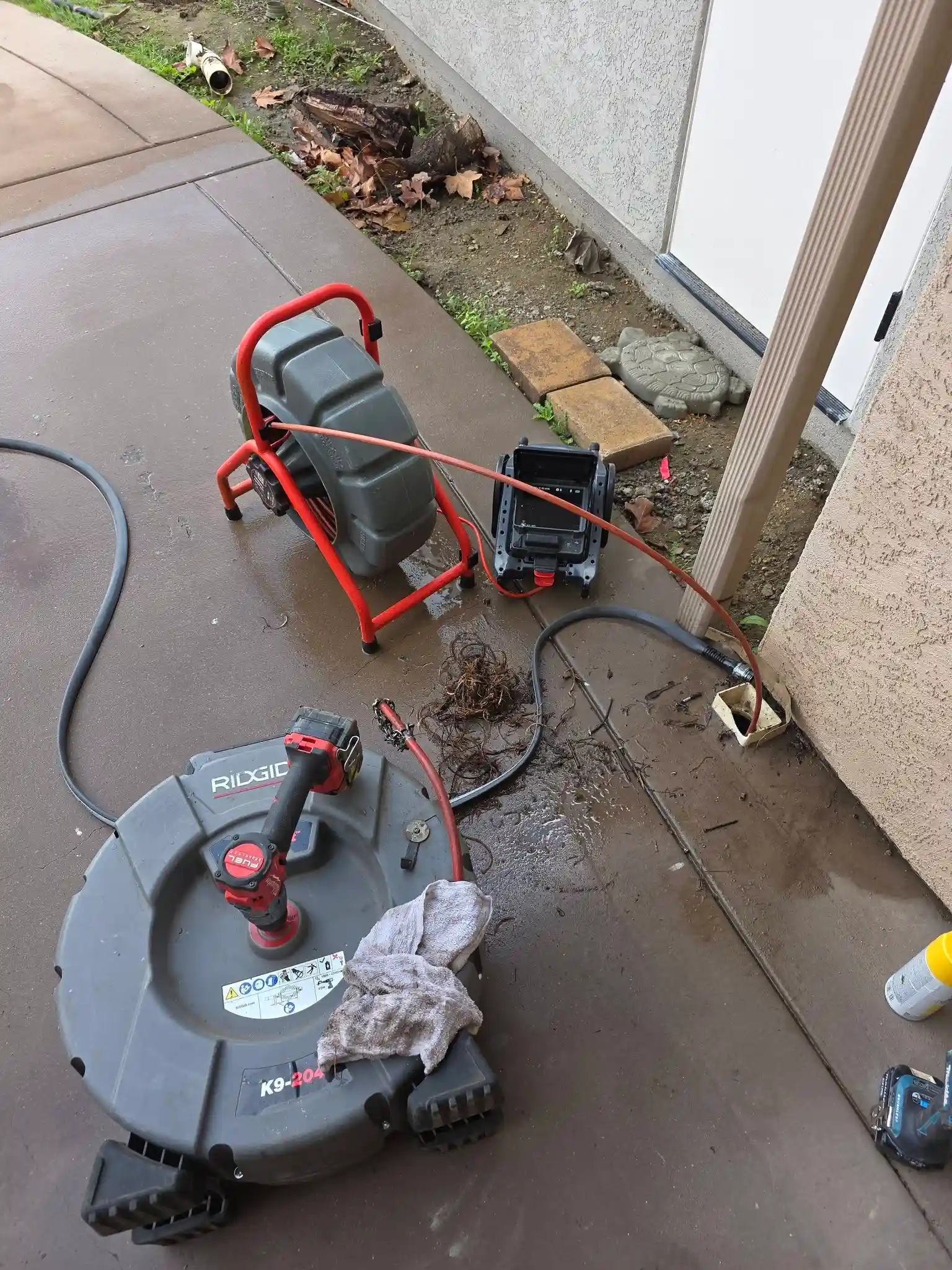
Uses a flexible auger to physically break up or hook a clog and pull it free or push it through — effective for most standard single-fixture blockages caused by hair, soap scum, or minor debris.
Hydro Jetting
Uses high-pressure water, rather than a mechanical auger, to clear a pipe's interior more thoroughly — including buildup coating the pipe walls that a standard snake can push through but not fully remove. Typically the better tool for grease-heavy kitchen line buildup, recurring clogs, or root intrusion in an outdoor line.
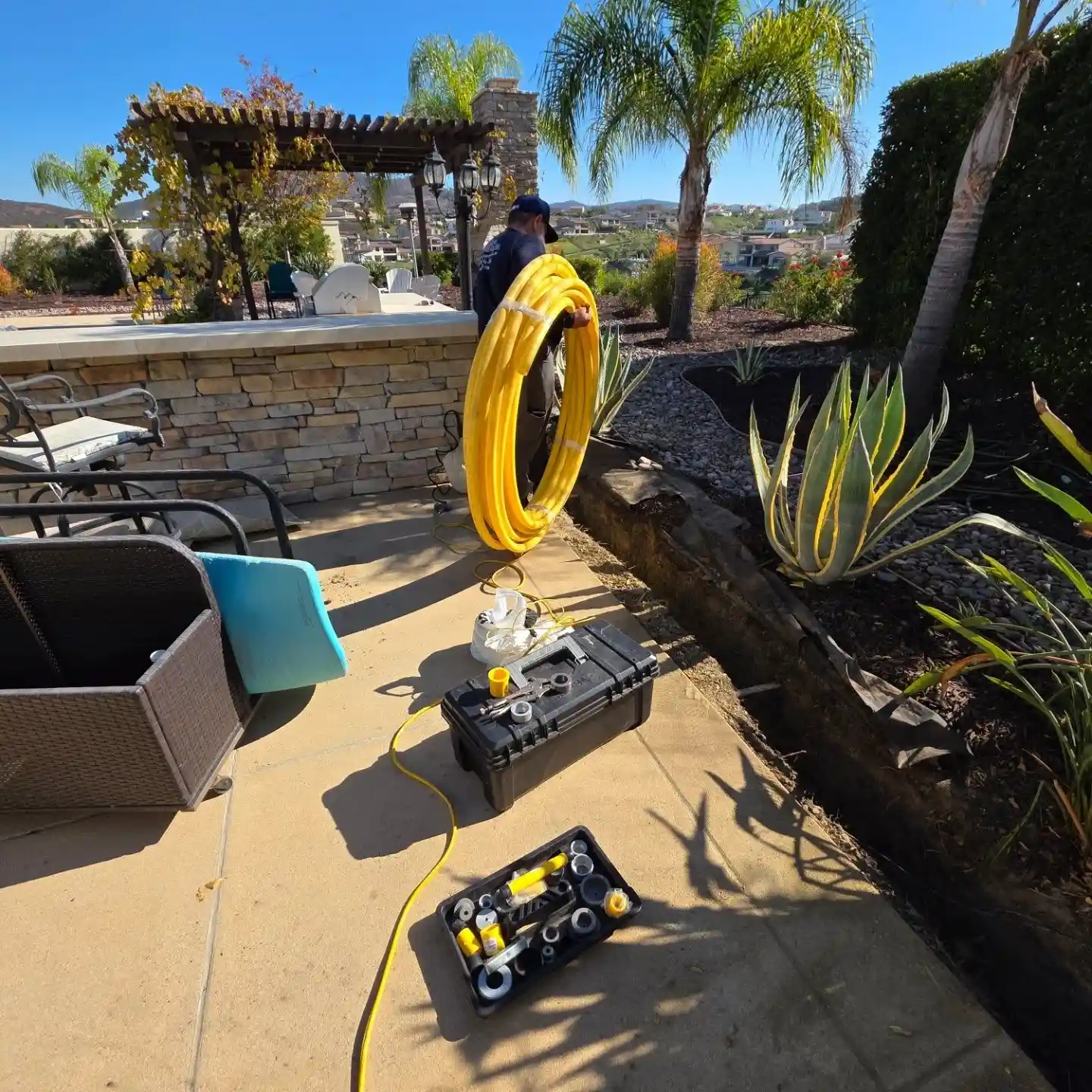
Not every clog needs hydro jetting, and we won't recommend the more intensive (and typically more expensive) method when standard drain cleaning genuinely resolves the problem. If a drain keeps clogging repeatedly despite standard cleaning, that's usually the signal that a jetting approach — or a deeper diagnostic look — is the more honest next step.
The most common call we get
Kitchen Drain Clogs: A Closer Look
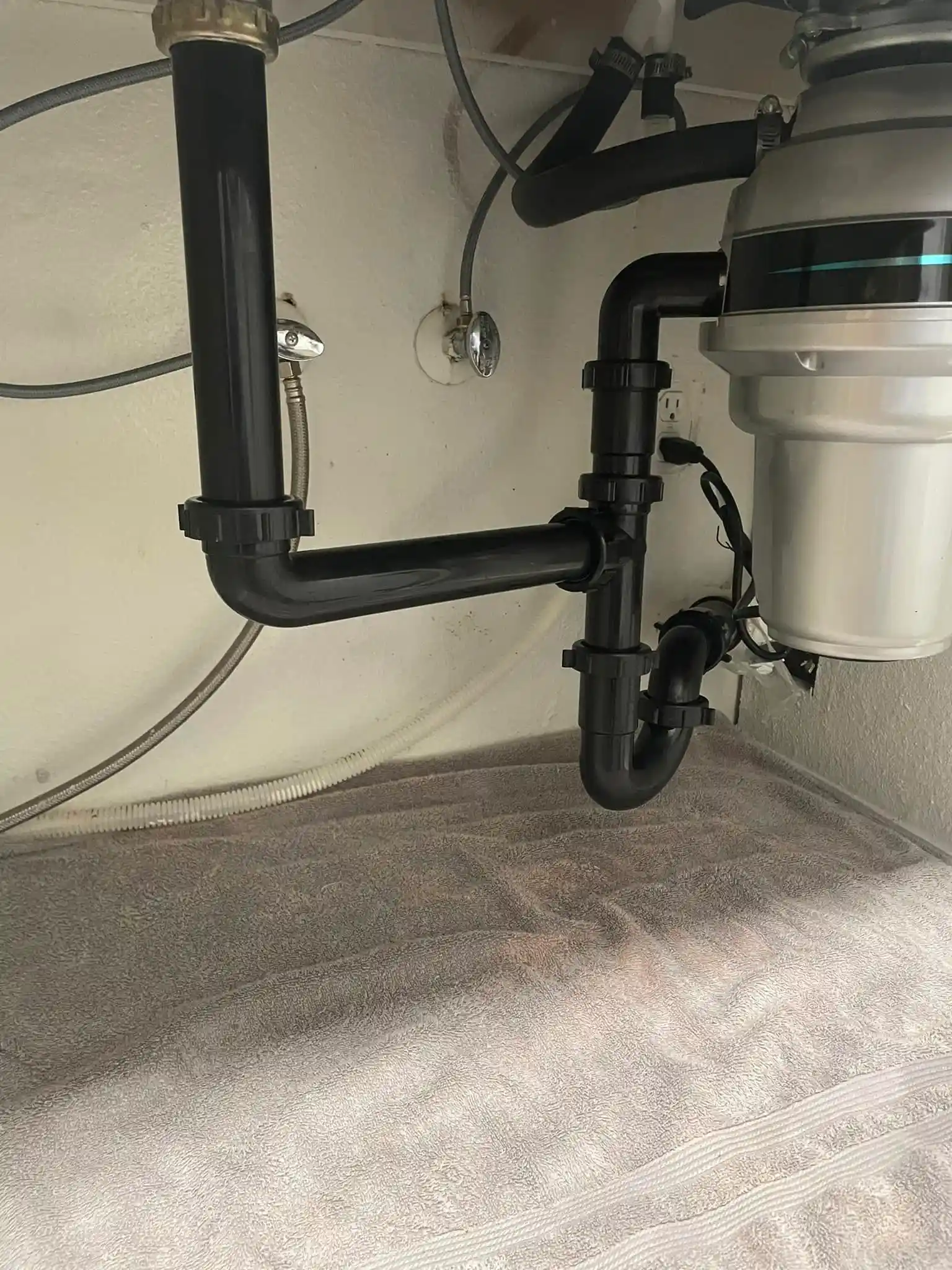
Kitchen sink clogs are among the most common calls we get, and they're also among the most preventable. The culprit is almost always FOG — fats, oils, and grease — that goes down the drain as a liquid while hot and then solidifies as it cools inside the pipe, gradually narrowing the interior diameter with every wash cycle. Coffee grounds, rice, pasta, and fibrous vegetable scraps compound the problem by giving the grease something to cling to as it hardens, which is why “I never pour grease down the drain, just food scraps” homes still end up with kitchen clogs. A garbage disposal helps break food down but doesn't prevent grease buildup — disposals and grease-related clogs are two separate issues that sometimes get confused.
If your kitchen sink is slow to drain but not fully blocked, that's usually early-stage buildup that standard drain cleaning resolves quickly. If it clogs repeatedly within weeks of being cleared, that's a sign the buildup is more extensive than a single cleaning addressed, and hydro jetting is often the more lasting fix.
Hair, soap scum, and hard water
Bathroom Drain Clogs: A Closer Look
Bathroom sinks, tubs, and showers clog primarily from hair combined with soap scum and, in hard-water areas, mineral buildup that gives the hair-and-soap mixture something to adhere to. Unlike a kitchen clog, a bathroom clog is often visible or reachable near the drain opening, which is why some homeowners try to clear it themselves with a store-bought hair-removal tool before calling anyone — often successfully for a surface-level clog, less successfully for a blockage further down the pipe.
A shower or tub that drains slower over the course of several weeks, rather than clogging suddenly, is typically hair-and-soap buildup that's been accumulating gradually. Standard drain cleaning fully clears this in most cases; a drain strainer going forward (see Prevention below) meaningfully slows how fast it recurs.
Recognize it early
Signs You Need Drain Cleaning
- Water draining slower than usual in a sink, tub, or shower
- Gurgling sounds when water drains
- Standing water that takes an unusually long time to clear
- Recurring minor clogs in the same fixture
- Mild odor coming from a specific drain (distinct from the yard-odor sewer-lateral symptom above)
Diagnosis is a real step, not a formality
How We Diagnose and Clear a Clogged Drain
A drain that's clogged for one reason today can clog for a completely different reason next time, and assuming it's always “the same thing as last time” is how recurring problems get mis-treated repeatedly.
-
1
We ask about the specific symptom — which fixture, how long it's been happening, whether it's a first-time or recurring issue, and whether other drains are affected.
-
2
We assess the blockage — for a straightforward single-fixture clog, this is often quick; for a recurring or whole-house issue, we may recommend a camera inspection to see what's actually happening rather than guessing.
-
3
We clear it with the appropriate method — standard drain cleaning for most single-fixture blockages, hydro jetting when buildup or a recurring pattern calls for it.
-
4
We tell you what we found — including if the real cause turns out to be something beyond a simple clog, like a sewer lateral issue, so you're not surprised by a repeat problem later.
Local conditions genuinely change the picture
Chula Vista-Specific Drain Considerations
A few local factors genuinely affect how often you'll deal with drain clogs and what's likely to cause them — worth knowing before you assume your drain problem is identical to what a generic national guide describes.
Housing Era & Pipe Material
Chula Vista's older, established neighborhoods (Northwest and Southwest Chula Vista, Terra Nova, and similar tracts) more often have galvanized steel drain lines, which corrode internally over decades — the rough, corroded interior surface actually catches debris more easily than smooth modern piping. Newer communities (Eastlake, Otay Ranch, Rancho del Rey) generally have smoother PVC drain lines, more resistant to this specific issue.
Mature Landscaping & Root Intrusion
Root intrusion isn't limited to the main sewer lateral — it can affect outdoor drain runs too, particularly in neighborhoods with decades-old street trees. If an outdoor-facing drain clogs repeatedly and standard cleaning keeps only temporarily resolving it, root intrusion is worth ruling out with a camera inspection.
Hard Water Effects
Water hardness varies somewhat by service area and affects how quickly mineral buildup compounds with soap scum in bathroom drains — homes on the harder-water end of the local range may see bathroom drain buildup accumulate faster than the general prevention timeline would suggest.
First time calling for a clog?
What to Expect During a Drain Cleaning Visit
-
1
We ask what you've noticed and, if you've already tried anything yourself (a plunger, a store-bought snake, a chemical cleaner), what happened.
-
2
We locate and assess the blockage — for most single-fixture clogs this is quick; for a recurring or multi-drain issue, we may recommend a camera inspection before proceeding so we're not guessing at the cause.
-
3
We clear the blockage with the method that fits — snake, jetting, or in rare cases a recommendation that this isn't a simple drain-cleaning job after all (see “When a Clog Isn't Really a Clog” above).
-
4
We test the drain to confirm it's flowing properly before we consider the job done, not just “clear enough that the immediate symptom stopped.”
The cheapest form of drain maintenance
Preventing Future Drain Clogs
Every item below costs nothing or close to it, compared to a service call for a clog that habit alone could have avoided. A few habits meaningfully reduce how often you'll need drain cleaning:
- Never pour grease, oil, or fat down a kitchen drain — let it cool and dispose of it in the trash. This is the single most preventable cause of kitchen-drain and, at a larger scale, sewer lateral blockages.
- Use a drain strainer in showers and tubs to catch hair before it enters the pipe.
- Run hot water after using the garbage disposal to help flush residual food particles through the line.
- Avoid “flushable” wipes and paper towels in toilets — despite the labeling, these are a common cause of blockages further down the line.
- Address a slow drain early rather than waiting for a full clog — a slow drain is often the first sign of a developing blockage that's easier to clear before it worsens.
No shame in trying the simple fix first
DIY vs. Calling a Professional
A plunger or a store-bought hair-removal tool genuinely resolves plenty of minor, surface-level clogs, and there's no reason to call a plumber for every slow drain. Here's how to tell when it's time to stop DIY-ing:
Fine to try yourself first
- A single, minor, surface-level clog you can reach with a plunger or hair-removal tool
- A first-time slow drain, not a repeat issue
Time to call a professional
- The clog doesn't respond to a plunger or basic tool after a reasonable attempt
- The same drain has clogged more than once or twice in recent months
- More than one fixture is affected
- You've already tried a chemical drain cleaner without lasting results
Repeated chemical cleaner use is also a reason to stop and call rather than keep escalating — repeated exposure can degrade older pipe materials, particularly the galvanized lines common in Chula Vista's older neighborhoods, turning a simple clog into a pipe-integrity problem.
These delay the real fix
Common Mistakes That Make Drain Problems Worse
- Repeated chemical drain cleaner use on a clog that keeps returning. If one application didn't fully resolve it, a second and third application usually won't either — and repeated use carries its own risks to older pipes.
- Ignoring a slow drain until it fully clogs. A slow drain is early-stage buildup that's easier and less invasive to clear than waiting for a complete blockage.
- Treating a multi-drain or recurring issue as “just bad luck.” If the same problem keeps happening, something specific is causing it — a genuine diagnosis is more useful than repeating the same temporary fix.
- Pouring hot grease down the drain “to flush it through.” Hot grease is liquid going down, but it cools and solidifies inside the pipe just the same as if poured in cold — this doesn't actually prevent buildup.
No fixed price, honest process
Drain Cleaning Pricing in Chula Vista
We don't publish a fixed price for drain cleaning because the right method (standard cleaning vs. hydro jetting) and the time involved depend on the actual blockage — a single quick clog is a different job than a recurring, buildup-heavy line. What we can commit to: you'll know the price before we start work, and we'll explain which method we're recommending and why.
See Our Full Pricing GuideOur pricing promise
A real price before we start work. A clear explanation of which method — snake or jetting — we're recommending, and why. No guessing games.
Property managers & HOAs
Drain Cleaning for Rental Properties, HOAs, and Multi-Unit Buildings
Recurring drain issues show up differently in multi-unit and HOA-managed properties than in a single-family home — a clog in a shared line can affect multiple units at once, and diagnosing whether an issue is isolated to one unit's fixtures or shared infrastructure matters for figuring out who's responsible and how urgently it needs to be addressed. If you manage rental units or an HOA-governed property, see our commercial and property-manager plumbing page for how we handle multi-unit diagnosis and coordination.
Check before you book
Verify We're Licensed Before You Book
Chula Vista Plumbing Now holds an active California C-36 plumbing contractor license. You can verify any contractor's license for free through CSLB's online license lookup tool — we'll provide our license number directly when you call.
Straight answers before you call
Frequently Asked Questions
It depends on the blockage and method required — a standard single-fixture clog is a different job than a recurring, buildup-heavy line needing hydro jetting. See our pricing guide for how we handle estimates.
Drain cleaning uses a mechanical auger to break up or pull a clog free — effective for most standard blockages. Hydro jetting uses high-pressure water to clear buildup coating the pipe's interior more thoroughly, typically used for grease-heavy lines or recurring clogs.
A clog that returns repeatedly after standard cleaning often means the underlying buildup wasn't fully cleared, or the real problem is further down the line — sometimes in the sewer lateral itself. See “When a Clog Isn't Really a Clog” above.
Chemical drain cleaners can sometimes clear minor clogs but can also damage older pipes with repeated use and don't address the underlying cause of a recurring blockage. If a clog keeps coming back, that's usually a sign it's worth a proper diagnosis rather than repeated chemical treatments.
Multiple drains slow at once, gurgling in one fixture when running water elsewhere, recurring clogs after cleaning, or yard odor all point toward a lateral issue rather than a single clogged drain. See our Sewer Line Repair guide for the full symptom breakdown.
Addressing a slow drain early is usually easier and less invasive than waiting for a full blockage — a slow drain is often the first sign of buildup that's still manageable with standard cleaning.
A backed-up drain that's actively overflowing or causing water damage is an emergency — see our Emergency Plumbing page. A slow or minor clog can typically be scheduled.
Standard drain cleaning is generally safe for pipes in normal condition. Hydro jetting requires more judgment — on older, already-corroded or compromised pipe (more common in Chula Vista's older neighborhoods), we assess the pipe's condition first rather than applying high pressure without knowing what we're working with.
There's no universal schedule — homes with heavy kitchen use, hard water, or mature trees near outdoor lines tend to need it more often than others. If you're not experiencing symptoms, there's no need to schedule preventive cleaning on a fixed timeline; address it when a slow drain first appears rather than waiting for a full clog.
Yes, particularly outdoor-facing lines and the sewer lateral itself, in neighborhoods with mature trees — roots seek out moisture and can infiltrate even small cracks or joints. See our Sewer Line Repair guide for the full explanation of root intrusion as a lateral failure cause.
Yes — diagnosing whether a clog is isolated to one unit or affects shared infrastructure is a different process than a single-family service call. See our property manager and commercial plumbing page for how we coordinate that.
Real diagnosis, right fix
Ready to Clear That Drain?
Whether it's a single slow drain or something that's been coming back no matter what you try, call (619) 558-3293 for a real diagnosis and the right fix — not just the fastest one. We'd rather spend an extra few minutes figuring out what's actually going on than clear the symptom today and have you calling again next month for the same problem.
Part of our full range of Plumbing Services — or head back to the homepage.
Local planning guidance
Drain Cleaning Chula Vista Planning Guide
A slow, clogged, or gurgling drain can have several causes, so useful decisions begin with the pattern of the problem rather than a single assumed solution. This local guide explains how to prepare, compare scope, and reduce repeat trouble.
Start With the Symptoms
When comparing drain cleaning chula vista, begin with the symptoms rather than a preferred repair. Note when the problem started, whether it is constant or intermittent, which fixtures or areas are affected, and what changed just before it appeared. For homeowners, tenants, property managers, and small businesses, that short history helps distinguish an isolated nuisance from a system issue. Photographs, utility-bill changes, and a simple timeline can make the first conversation more useful while keeping attention on the actual condition instead of assumptions.
Match the Service to the Cause
The right drain cleaning chula vista approach depends on identifying the cause before selecting equipment or authorizing work. The location of the backup, the number of affected fixtures, flow changes, sounds, odors, and recurrence history help distinguish a fixture trap issue from a branch or main-line restriction. A careful evaluation connects the visible symptom to the most likely source, considers access and surrounding materials, and explains what can be confirmed now versus what may require an additional test. That process supports a proportionate recommendation and reduces the chance of paying for a temporary response to a recurring problem.
Plan for Access and Property Conditions
Before scheduling drain cleaning chula vista, consider how the property itself may affect access and sequencing. Older piping, mature landscaping, shared drains, previous repairs, and the placement of accessible cleanouts can influence both diagnosis and the least disruptive clearing method. Clear access to shutoffs, equipment, cleanouts, work areas, and parking can shorten setup time. If walls, flooring, landscaping, tenants, pets, gates, or association rules are involved, sharing those details early helps the visit proceed with fewer surprises and allows protective measures to be planned before work begins.
Understand the Estimate
A written drain cleaning chula vista estimate should separate the known scope from conditions that cannot be confirmed until access or testing occurs. Useful estimates describe labor, materials, included cleanup, expected disruptions, and any choices that could change the total. Drain-cleaning scope can vary with access, line length, blockage severity, equipment required, camera inspection needs, and whether a damaged pipe is discovered rather than a removable obstruction. Asking what is included, what would trigger a change order, and what alternatives exist makes it easier to compare recommendations on equal terms instead of focusing only on the first number.
Coordinate Timing and Communication
Good drain cleaning chula vista communication includes timing, access, water shutoff needs, and a realistic explanation of what occupants may experience. The work area may include kitchens, bathrooms, garages, yards, roofs, parking areas, or occupied commercial spaces, so access and cleanup expectations should be clear. A clear point of contact, current phone number, and approval process are especially helpful when the person authorizing work is not at the property. Confirming these details in advance keeps decisions moving and helps everyone understand the next step without relying on vague arrival or completion promises.
Reduce Repeat Problems
Timely drain cleaning chula vista work should address the immediate concern while also considering why it happened. Grease control, appropriate disposal habits, fixture strainers, root monitoring, and attention to recurring slowdowns can be more useful than relying on repeated emergency clearing. Prevention does not mean replacing everything or purchasing unnecessary maintenance. It means identifying practical actions—such as monitoring a fixture, correcting usage patterns, scheduling an appropriate inspection, or planning a future upgrade—that match the condition, age, and risk of the system.
Know When the Situation Is Urgent
Requests for drain cleaning chula vista can become urgent when there is uncontrolled water, sewage exposure, a gas odor, electrical risk, property damage, or loss of an essential fixture. Sewage backing up into occupied space, multiple fixtures overflowing, contaminated water, or a blockage affecting the only usable bathroom should be described at the start of the call. When safety is uncertain, stop using the affected system, protect people from the area, and describe the exact condition when calling. A calm description of what is happening helps determine whether immediate action, a utility response, or a normally scheduled visit is appropriate.
Confirm the Work Before Completion
After drain cleaning chula vista, review what was found, what was completed, and what remains to be watched. The closeout discussion should identify where the restriction was found, how it was addressed, whether flow was tested, and whether pipe condition suggests additional evaluation. Keep estimates, invoices, photographs, model information, and maintenance notes with the property records. If a symptom returns, those records give the next technician useful context and help distinguish a new problem from the original condition. Clear closeout information is part of a professional service experience, not an optional extra.
For anyone considering drain cleaning Chula Vista service, the clearest next step is to describe which drains are affected, whether sewage is present, when the problem began, and what has already been tried. That information supports safer triage and a more focused visit.