
Service · Chula Vista, CA
Pipe Repair in Chula Vista, CA
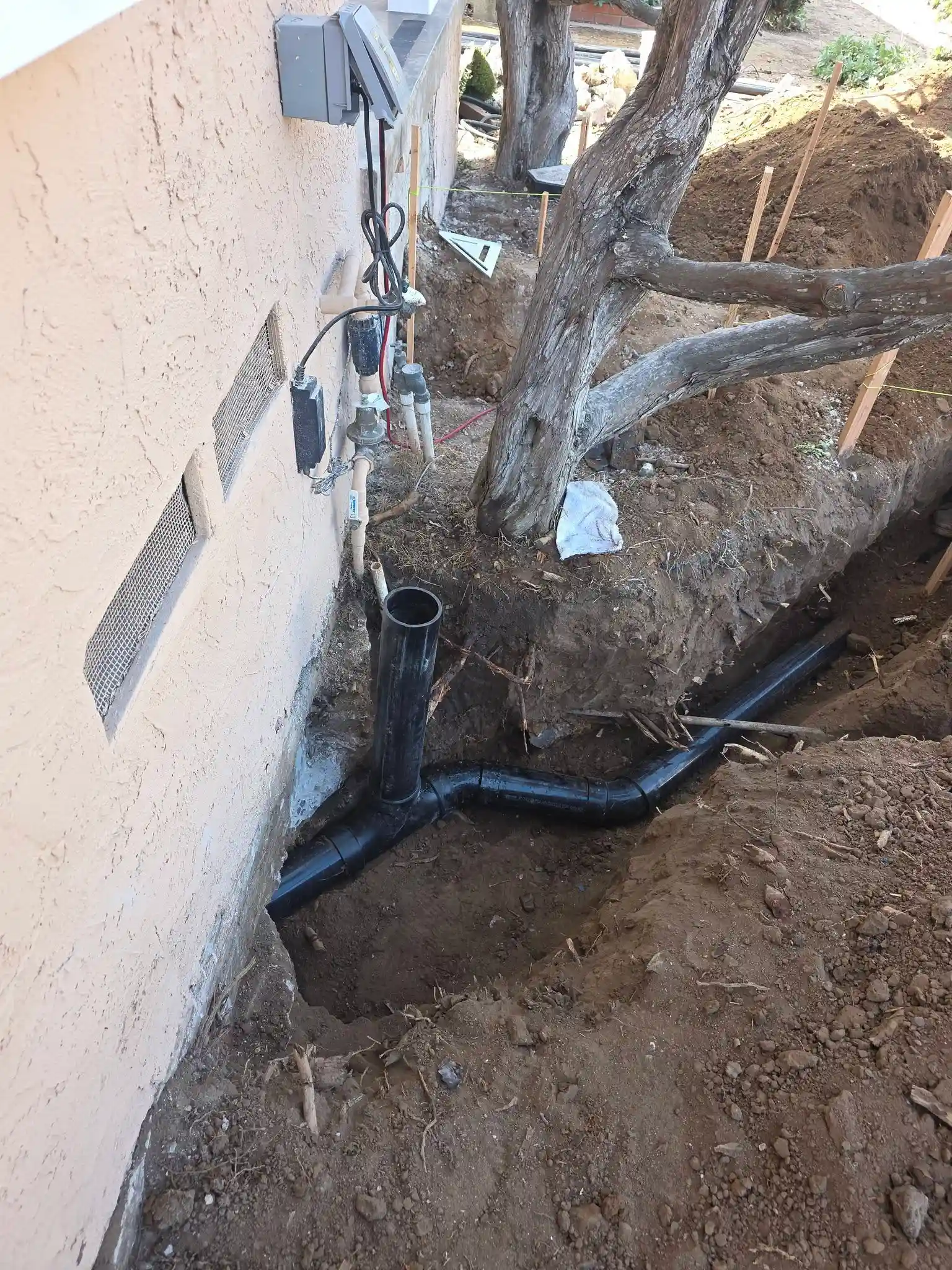
A “pipe repair” call can mean a lot of different things: a pinhole leak in a copper supply line, a corroded galvanized joint that’s finally given out, a cracked drain line under a slab, a failing fitting behind a wall, or a burst pipe after a hard freeze snap. What they have in common is that the fix is targeted — find the damaged section, repair or replace that specific run of pipe, and leave the rest of the system alone. That’s different from repiping, which is a decision to replace most or all of a home’s supply lines at once. We cover that larger decision on our Repiping page; this page is about the targeted fix.
Pipe Repair vs. Repiping: Which Do You Need?
This is the first question worth answering honestly, because it changes both the cost and the long-term outcome:
We’ll always tell you honestly which category your situation falls into rather than defaulting to whichever service is more profitable for us. If repiping is the more honest long-term answer, see our Repiping page for what that process looks like.
Signs You May Have a Pipe Problem
Why Is My Water Pressure Low? A Diagnostic Breakdown
Low water pressure is one of the most common reasons Chula Vista homeowners search for a plumber, and it’s also one of the most misdiagnosed. A few different root causes can all produce the same symptom:
One sign worth paying particular attention to: uneven flow between fixtures — strong pressure at one faucet and weak pressure at another in the same home — often points toward a localized blockage or corrosion issue in a specific branch line, rather than a whole-house pressure problem. That distinction alone can save you from paying for a whole-system diagnosis when the actual issue is confined to one section of pipe.
Corroded and Aging Pipe: What We Look For
Corrosion doesn’t happen the same way in every pipe material, and knowing your home’s likely pipe material helps set expectations before we even arrive: Choosing the right uneven flow between fixtures can make all the difference for your property.
Burst Pipes: What to Do Right Away
A burst pipe is different from a slow leak — it demands an immediate response, not a scheduled visit:
1. Shut off your main water supply at the shutoff valve if you know where it is. If you don’t know, this is worth locating and labeling now, before you need it in a hurry.
2. Shut off power to any electrical systems in the immediate area if water is near outlets, panels, or fixtures — safety comes before cleanup.
3. Call a plumber and describe what you’re seeing — location, how much water, whether it’s still actively flowing after the shutoff.
4. Document the damage with photos before cleanup begins, which can matter for insurance purposes.
5. Don’t attempt a DIY patch on a pressurized line that you plan to keep permanently — a temporary clamp or tape fix can buy you a little time before a plumber arrives, but treat it as temporary, not a repair.
Common Types of Pipe Repair
Repair Methods We May Use
Depending on the location, material, and extent of the damage, a pipe repair can take a few different forms, and we’ll explain which one applies before starting work:
What Insurance May and May Not Cover
Homeowners insurance policies vary, but it’s worth knowing the general pattern before you call your provider: sudden, accidental damage — like a burst pipe — is more commonly covered than damage from gradual wear, like long-term corrosion that was never addressed. This is one more reason not to ignore early signs like low pressure or discoloration; letting a slow problem become a sudden failure can affect not just the cost, but whether it’s covered at all. We’re happy to provide documentation of what we find and repair, which can support an insurance claim, but we’re not able to advise on your specific policy or coverage — that’s a conversation for your insurance provider.
What to Expect During a Pipe Repair Visit
1. Describe the symptom. Tell us what you’re seeing — pressure change, water bill spike, visible leak, sound — so we know where to start looking.
2. Locate the damage. We identify the specific section of pipe involved, using visual inspection, pressure testing, or camera inspection depending on the situation.
3. Explain the finding and the options. Before any repair work starts, we explain what we found, what’s causing it, and whether a targeted repair or a broader conversation about repiping makes more sense.
4. Complete the repair. For a straightforward, isolated repair, we complete the work and confirm the fix — pressure restored, leak stopped, water clarity back to normal.
5. Flag anything else worth knowing. If we notice other sections of pipe that look like they’re approaching the end of their service life, we’ll tell you, even if it’s not part of today’s job.
When a Repair Isn’t the Long-Term Answer
We’d rather tell you this upfront than have you pay for a second, third, or fourth repair over the following year. If your home has galvanized or aging polybutylene supply lines and we’re finding failures in multiple locations, a series of individual pipe repairs can end up costing more over time than addressing the system once through repiping. This isn’t a sales pitch to upsell every repair call into a repiping job — most pipe repairs really are isolated, one-time fixes. But when the pattern points toward a system nearing the end of its service life, we’ll say so directly. See our Repiping page for what that process, timeline, and cost consideration actually look like. That is why homeowners consistently choose us as their uneven flow between fixtures.
Chula Vista-Specific Pipe Considerations
Preventing Pipe Problems Where Possible
Pipe Repair for Rental Properties and HOAs
Multi-unit properties and HOA-governed common areas often have more buried and shared pipe infrastructure than a single-family home, and a failure can affect more than one unit or resident at a time. If you manage rental units or an HOA property, see our commercial and property-manager plumbing page for how we handle pipe repair diagnosis, documentation, and communication across shared infrastructure.
Pipe Repair Cost in Chula Vista
Cost depends heavily on what’s actually found — a single accessible pinhole leak repair is a very different job from a slab-penetrating or buried yard-line repair. We don’t publish a fixed price for that reason, but we do commit to explaining what we found, what the repair involves, and giving you a real estimate before work begins. See our full Plumbing Cost & Pricing Guide for how our estimate process works generally.
Verify We’re Licensed Before Any Repair Work
Pipe repair, especially work involving supply lines or gas-adjacent plumbing, should always be performed by a properly licensed contractor. California’s Contractors State License Board (CSLB) maintains a free lookup tool at cslb.ca.gov where you can verify any plumbing contractor’s license status before work begins — we’d rather you check than take our word for it.
Frequently Asked Questions
How do I know if I need pipe repair or full repiping?
If the damage is isolated to one section and the rest of your system is in reasonable condition, repair is usually the right call. If you’ve had multiple failures in different locations, or your system is old galvanized or polybutylene, repiping is often the more honest long-term answer — we’ll tell you which situation you’re in.
Is low water pressure always a pipe problem?
Not always — clogged aerators are a simple, cheap fix worth checking first. But persistent or worsening low pressure, especially with uneven flow between fixtures, often does point to a pipe issue like corrosion, a failing pressure regulator, or a hidden leak. Our goal as your local uneven flow between fixtures is to provide transparent and fast service.
What should I do immediately if a pipe bursts?
Shut off your main water supply first, then shut off power near any affected outlets or panels if water is close by, then call a plumber. Document the damage with photos before cleanup for insurance purposes. When you need a reliable uneven flow between fixtures, our team is ready to assist.
Can a pipe repair be done without cutting into a wall or slab?
Sometimes — accessible pipe sections can often be repaired without major demolition. Slab-penetrating or wall-concealed damage may require more targeted access, which we’ll explain and get your approval on before proceeding.
Why does my water look discolored after a repair?
Some discoloration right after a repair or after water has been shut off and restored is normal, caused by sediment being disturbed in the lines. It should clear within a short time of running the tap; if it persists, let us know. When you need a reliable uneven flow between fixtures, our team is ready to assist.
Do you repair drain lines as well as supply lines?
Yes — pipe repair covers both damaged supply lines and damaged drain lines, including sections identified during hydro jetting or camera inspection for a separate drain issue. Our goal as your local uneven flow between fixtures is to provide transparent and fast service.
What causes a pipe to corrode from the inside?
Corrosion is driven by a combination of pipe material, water chemistry, and time. Galvanized steel is the most prone to internal corrosion of the common residential materials, which is why age and pipe material matter so much when evaluating a repeat-failure pattern.
Will you tell me if my pipes need more than one repair?
Yes — if we notice signs that other sections of your system are approaching the end of their service life during a repair visit, we’ll flag it, even if it’s not the reason you called.
Can tree roots damage buried pipes?
Yes, particularly older clay or cast-iron pipe, where root intrusion can crack joints or grow into small existing cracks over time. This is a more common cause on drain lines than supply lines. As a trusted uneven flow between fixtures, we ensure the job is done right the first time.
Do you offer any warranty on pipe repairs?
Warranty terms depend on the specific repair and materials involved — we’ll go over what applies to your job as part of the estimate before work begins.
Is a pinhole leak an emergency?
A pinhole leak is usually not an active emergency the way a burst pipe is, but it should be addressed promptly — left alone, a small leak can worsen and cause the same water waste, mold, and structural concerns as any other ongoing leak. See our Leak Detection page for more on those risks. For any issues, relying on a professional uneven flow between fixtures is the safest bet.
Will insurance cover my pipe repair?
It depends on your specific policy and the cause of the damage — sudden, accidental failures like a burst pipe are more commonly covered than gradual corrosion that went unaddressed. We can provide documentation of what we find and repair to support a claim, but coverage questions are best directed to your insurance provider.
What’s the difference between a spot repair and a full section replacement?
A spot repair addresses a single isolated point of damage, while a full section replacement covers a longer run of pipe when corrosion or damage extends beyond one spot. We’ll recommend whichever approach actually matches what we find rather than defaulting to the larger, more expensive option. That is why homeowners consistently choose us as their uneven flow between fixtures.
How long does a typical pipe repair take?
An accessible, isolated pipe repair is often completed same-visit. Repairs requiring slab access, extensive excavation, or additional diagnosis may take longer — we’ll give you a realistic timeframe once we’ve seen the specific situation.
Noticing Low Pressure, Discolored Water, or a Leak?
Whether it’s a single corroded joint or a system-wide pattern, we’ll diagnose the actual cause before recommending a fix — and tell you honestly if a targeted repair or a bigger conversation about repiping is the right call. Contact us to get started.
Ready for Reliable Plumbing Service?
Whether it’s an urgent repair, a routine replacement, or you just need an honest diagnosis, we provide the reliable plumbing services Chula Vista households depend on.