Service · Chula Vista, CA
Backflow Prevention Testing & Repair in Chula Vista, CA
What Is Backflow, and Why Does It Matter?
Backflow is the unwanted reversal of water flow in a plumbing system — instead of water moving in its intended direction, from the clean supply line into your home or property, it flows backward, from your property’s plumbing back into the public water supply. This can happen because of a sudden drop in supply-line pressure (a water main break or heavy firefighting demand nearby, for example) or because of backpressure created within your own system (an irrigation pump, boiler, or other pressurized equipment pushing water back toward the supply connection). Choosing the right backflow prevention chula vista can make all the difference for your property.
The reason this matters is straightforward but serious: if your property’s water has come into contact with anything non-potable — fertilizer and pesticide residue from an irrigation system, standing water in a pool or fountain, chemicals used in a commercial process, or even just stagnant water sitting in a fire sprinkler line — a backflow event can pull that contaminated water back into the drinking-water supply. Depending on the connection point, that contamination isn’t necessarily contained to just your property; it can affect the shared public water main and, potentially, other properties drawing from the same section of the system. This is why backflow prevention is treated as a genuine public-health issue by water providers, not a minor technicality, and why cross-connection control programs exist at all: to make sure any connection point between a potentially contaminated source and the drinking-water supply has a working safeguard in place. Our goal as your local backflow prevention chula vista is to provide transparent and fast service.
How a Backflow Preventer Protects Your Drinking Water
A backflow preventer is a mechanical assembly installed at the point where your property’s plumbing connects to the public water supply, or at a specific cross-connection point within your property (an irrigation system takeoff, for example). Its job is simple in concept: allow water to flow in the intended direction, and physically stop it from flowing backward, using check valves, pressure-relief mechanisms, or an air gap, depending on the device type. It’s a passive safety mechanism — it doesn’t require power or a decision from anyone to work — but like any mechanical device, its internal components (springs, seals, checks) can wear, stick, or fail over time, which is exactly why testing exists: to confirm the device is actually still doing its job, not just assume it is because nothing has obviously gone wrong. Choosing the right backflow prevention chula vista can make all the difference for your property.
Types of Backflow Prevention Devices
Backflow preventers come in several configurations, each suited to a different level of contamination risk. This is a general technical overview, not manufacturer-specific guidance — we’ll identify which type your property has, or which type a new installation needs, directly.
Which device type is required for a specific connection depends on the assessed hazard level of that connection, and that determination is generally made by your local water provider’s cross-connection control program, not chosen freely by the property owner. If you’re installing a new device and aren’t sure which type applies to your situation, that’s exactly the kind of question worth asking us directly before assuming. We are proud to be the backflow prevention chula vista that the community relies on.
Who Needs Annual Backflow Testing?
Most California water purveyors require annual testing and certification for backflow prevention devices on certain property types and connection points, administered through the local water provider’s cross-connection control program. In the Chula Vista area, that means your local water provider — commonly Sweetwater Authority or Otay Water District, depending on the specific service area — rather than the City of Chula Vista itself. We’re intentionally not asserting a precise boundary between the two providers’ service areas here, since that hasn’t been independently confirmed; if you’re not sure which provider serves your property, your water bill or account portal will tell you. Knowing who to call when searching for a backflow prevention chula vista saves you time and stress.
Property types and situations that most commonly require annual backflow testing include: irrigation systems (any system connected to the potable supply is a common backsiphonage risk from fertilizer, pesticide, and standing water contact); commercial properties, where boilers, cooling systems, landscaping, and fire protection commonly create cross-connection risk — see our Commercial Plumbing page for how we handle this alongside other business needs; multi-unit and HOA-governed properties, where shared irrigation, fire protection, and centralized mechanical equipment create testing obligations a single-family home typically doesn’t have; fire sprinkler systems, where water sitting for extended periods creates a cross-connection risk; and certain other cross-connections, including some commercial process equipment and decorative water features, that your water provider’s program may flag during a site assessment.
A specific note on frequency and requirements: we’re deliberately not stating a precise testing-frequency requirement, ordinance number, or dollar penalty figure here, because none has been independently confirmed for Chula Vista’s specific service-area providers this session. Annual testing is the general industry norm for most of the property types above, but your exact requirement — including testing frequency, reporting deadline, and any penalty for non-compliance — is set by your specific water provider and should be confirmed against your own account notice or by contacting them directly. If you’re not sure what your property’s specific requirement is, we can help you figure that out as part of scheduling your test. Choosing the right backflow prevention chula vista can make all the difference for your property.
What Happens During a Backflow Test
A backflow test is performed by a certified tester using a calibrated test gauge connected to the device’s test cocks. The tester checks that each internal check valve is holding pressure correctly and, for an RP assembly, that the relief valve opens at the correct differential pressure. This is a non-invasive test in the sense that the device generally isn’t disassembled to perform it — the test gauge readings tell the tester whether the internal components are sealing and functioning as designed. Our goal as your local backflow prevention chula vista is to provide transparent and fast service.
A typical test visit involves locating and accessing the device, confirming it’s the correct type and checking for visible damage or improper installation, connecting the test gauge and running the checks specific to that device type, recording results against your water provider’s pass/fail criteria, submitting certification paperwork to your provider on your behalf, and explaining the results directly — including next steps if the device didn’t pass.
What “Passing” Means, and What Happens If a Device Fails
A device that passes testing is confirmed to be holding pressure correctly across its internal check valves (and relief valve, for RP assemblies) within the tolerances your water provider’s program requires — in plain terms, it’s doing its job of stopping backward flow. Passing certification is submitted to your water provider, and your compliance requirement for that testing cycle is satisfied until the next required test. As a trusted backflow prevention chula vista, we ensure the job is done right the first time.
A device that fails testing means one or more internal components (typically a check valve not sealing fully, a relief valve not opening at the correct pressure, or a worn seal) isn’t functioning as designed anymore. A failed test doesn’t automatically mean the entire device needs replacement — many failures are repairable by rebuilding the internal components (new seals, springs, or check assemblies) rather than replacing the whole unit. Whether repair or full replacement is the right call depends on the device’s age, the extent of the failure, and whether replacement parts are still readily available for that specific device. We’ll explain which situation applies to your device directly, retest after any repair to confirm it now passes, and resubmit corrected certification to your water provider — so the compliance loop is actually closed, not left half-finished. Our goal as your local backflow prevention chula vista is to provide transparent and fast service.
Backflow Preventer Installation
If your property doesn’t have a backflow device where one is now required — a new irrigation system, a fire sprinkler system installed as part of a renovation, or a water-provider notice flagging a connection that needs one — we handle new installation from assessment through final certification:
We assess the connection point’s hazard classification to determine the required device type rather than defaulting to whichever is easiest to install, confirm sizing and placement requirements (clearance, discharge routing, freeze protection where applicable), install the device and any related plumbing work it requires, perform the initial test and certification on the newly installed device, and submit certification paperwork to your water provider to establish it on their records for future annual cycles.
Backflow Preventer Repair
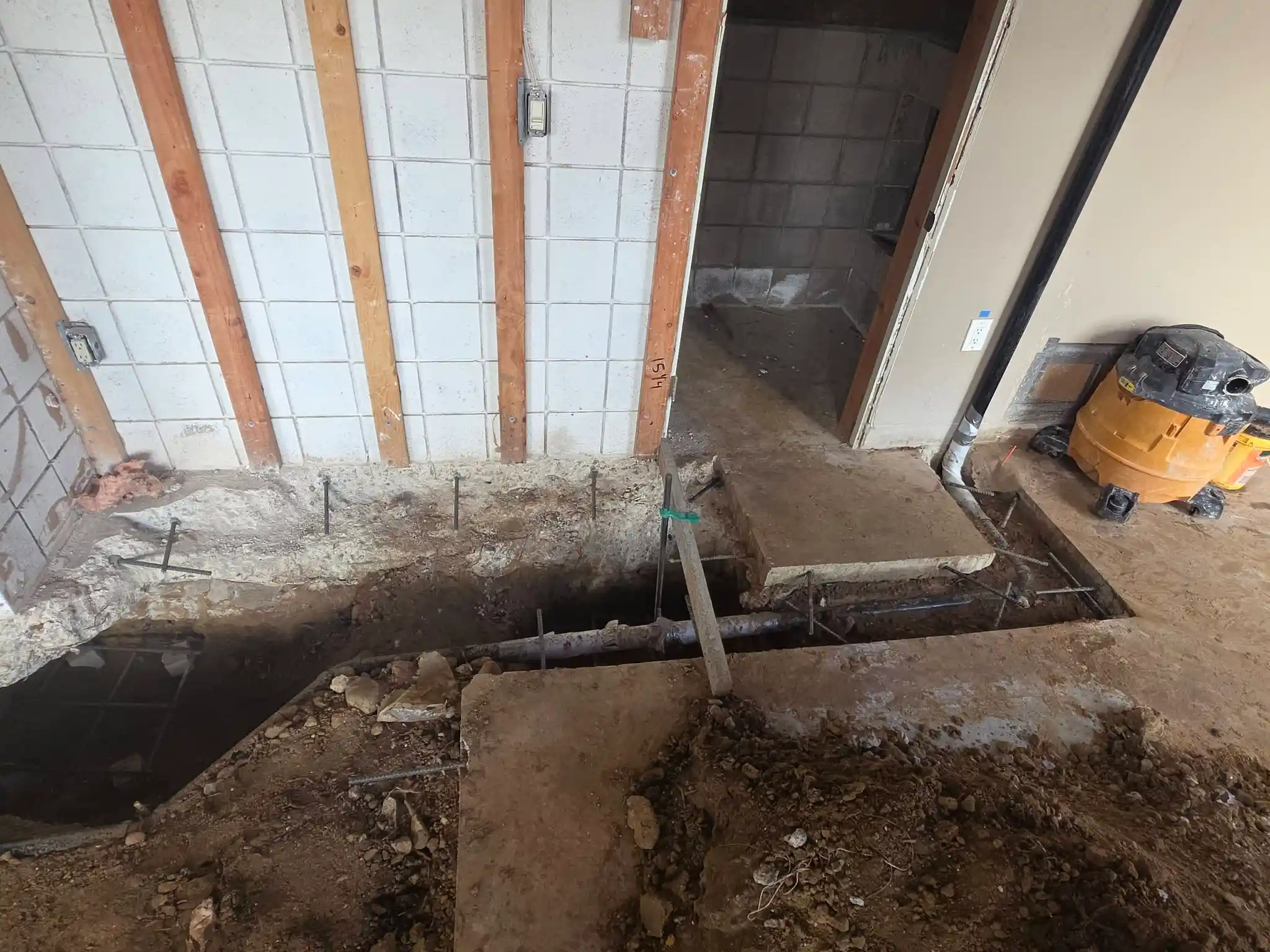
When a device fails testing, develops a visible leak, or shows signs of a problem outside its normal testing cycle (constant dripping from the relief valve on an RP assembly, for example, which can indicate a check valve isn’t sealing), repair addresses the specific failed component rather than requiring a full device replacement in most cases. Common repairs include rebuilding check valve assemblies, replacing worn seals and springs, and addressing relief valve function on RP assemblies. We’ll identify what’s actually failed, explain whether repair or replacement is the more sensible path for your specific device’s age and condition, complete the work, and retest to confirm the fix actually resolved the issue before considering the job done.
Property Managers and HOAs: Coordinating Backflow Compliance
If you manage a commercial property, an HOA-governed community, or a multi-unit building, backflow testing compliance is likely one recurring item among many on your plate — and it’s the kind of item that’s easy to lose track of until a water provider notice arrives flagging a missed deadline. This is exactly the audience our Commercial Plumbing page is built around, and backflow testing is one of the specific compliance-driven services referenced there directly. Trust your home to a licensed backflow prevention chula vista rather than risking DIY fixes.
A few things worth knowing if you’re the one responsible for keeping a property’s backflow compliance current: we can track and schedule your property’s annual testing date proactively rather than waiting for a provider notice to prompt it; we submit certification paperwork directly to your water provider, giving you a clear record for association or ownership files; if a property has multiple devices — a common situation for larger commercial or multi-building HOA properties — we can coordinate testing across all of them in a single visit; and we communicate clearly about findings and next steps so you have what you need for board communication without translating technical findings yourself. We are proud to be the backflow prevention chula vista that the community relies on.
See our Commercial Plumbing page for the fuller picture of how we handle multi-unit and property-management work generally.
Irrigation Systems and Backflow: What Homeowners Should Know
Backflow prevention isn’t only a commercial or multi-unit concern — any home with an irrigation system connected to the potable water supply typically needs a tested backflow device too, most commonly a pressure vacuum breaker. This applies whether the irrigation system came with the home or was added later as part of a landscaping project. If you’re adding a new irrigation system, particularly in a newer-construction area where landscaping and irrigation lines are being installed alongside other new plumbing, the backflow device should be planned as part of that installation from the start rather than addressed afterward once a water provider flags the connection. Our Proctor Valley area page covers some of the newer-construction irrigation and exterior-plumbing considerations specific to that part of Chula Vista, if that’s relevant to your property.
Backflow Prevention Cost in Chula Vista
We don’t publish a fixed price for backflow testing, repair, or installation because it genuinely depends on several factors: the device type (RP, PVB, or double check assembly), whether the visit is a routine annual test, a repair following a failed test, or a full new installation, and the property type (a single residential irrigation connection is a simpler visit than a commercial property with multiple devices across a larger system). A straightforward annual test on an existing, accessible device is typically the simplest and least expensive visit; repair cost depends on what’s actually failed and whether the device needs a full rebuild or just a component replacement; new installation cost depends on the required device type, sizing, and any related plumbing work the installation involves. What we can commit to: we’ll explain the real cost drivers for your specific situation before work begins, and you’ll have a written estimate rather than a surprise number after the fact. See our full Plumbing Cost & Pricing Guide for how our estimate process works generally.
When to Call for Backflow Service
A few situations that mean it’s time to call rather than wait: you’ve received a notice from your water provider flagging an overdue or upcoming annual test; you’re installing a new irrigation system, fire sprinkler system, or other equipment that will need a backflow device; your existing device is visibly leaking or dripping continuously, particularly from an RP assembly’s relief valve; you manage a property and aren’t sure when your last test was performed or whether your device is even the correct type; or you’re buying or selling a property with an irrigation, fire sprinkler, or commercial cross-connection and want current compliance confirmed as part of the transaction. Trust your home to a licensed backflow prevention chula vista rather than risking DIY fixes.
Verify We’re Licensed Before You Book
Chula Vista Plumbing Now holds an active California C-36 plumbing contractor license. You can verify any contractor’s license for free through CSLB’s online license lookup tool — we’ll provide our license number directly when you call. Choosing the right backflow prevention chula vista can make all the difference for your property.
Frequently Asked Questions
What is backflow, and why is it a problem?
Backflow is the unwanted reversal of water flow, which can pull contaminated water backward into the clean drinking-water supply instead of it flowing outward as intended. It matters because that contamination isn’t necessarily contained to just one property — it can affect a shared section of the public water system, which is why it’s treated as a genuine public-health issue.
Do I need a backflow preventer on my home irrigation system?
Most irrigation systems connected to the potable water supply need a tested backflow device, commonly a pressure vacuum breaker, because irrigation is a recognized backsiphonage risk (fertilizer, pesticide, and standing water contact). If you’re not sure whether your system has one or whether it’s current on testing, we can check.
How often does a backflow device need to be tested?
Annual testing is the general norm for most property types that require a backflow device, but your exact requirement — frequency, deadline, and any penalty for missing it — is set by your specific local water provider. Check your water bill, account portal, or contact your provider directly for your exact requirement, or ask us when you schedule.
Who is my local water provider — Sweetwater Authority or Otay Water District?
It depends on your property’s specific service area, and we’re not asserting a precise boundary between the two here since it hasn’t been independently confirmed. Your water bill or online account will show which provider serves your address.
What happens if my backflow device fails testing?
A failed test doesn’t automatically mean the device needs full replacement — many failures are repairable by rebuilding internal components like check valves and seals. We’ll identify what’s actually failed, explain repair vs. replacement for your specific device, complete the work, retest to confirm it passes, and resubmit corrected certification to your water provider.
What’s the difference between an RP, PVB, and double check assembly?
An RP (reduced pressure) assembly is generally the most protective type, used for higher-hazard connections, and includes a relief valve. A PVB (pressure vacuum breaker) is commonly used on irrigation systems to prevent backsiphonage. A double check assembly is generally used for lower-hazard connections and doesn’t have a relief valve. See “Types of Backflow Prevention Devices” above for the full comparison.
Do commercial properties need backflow testing?
Yes — commercial properties commonly have cross-connections (equipment, landscaping, fire protection) that require annual testing under most water providers’ programs. See our Commercial Plumbing page for how we handle this alongside other business plumbing needs.
I manage an HOA — can you handle backflow testing for our whole property?
Yes. If your property has multiple backflow devices, we can coordinate testing across all of them in a single scheduled visit, submit certification paperwork directly to your water provider, and help you track your association’s annual testing date going forward. See our Commercial Plumbing page for our broader property-management approach.
Do fire sprinkler systems need backflow prevention too?
Yes — water sitting in a fire sprinkler system, combined with its connection to the potable supply, is a recognized cross-connection risk that most water providers require a tested backflow device to address.
How much does backflow testing or repair cost in Chula Vista?
It depends on the device type, whether it’s a routine test, a repair, or a new installation, and the property type. See our pricing guide for how our estimate process works — we don’t publish fixed prices since accurate cost depends on your specific situation.
Can you install a backflow device for a new irrigation or fire sprinkler system?
Yes — we assess the connection’s hazard classification to determine the correct device type, handle installation, and perform the initial test and certification so the new device is compliant from the start rather than installed and left unverified.
Is backflow testing something I can skip if my device seems fine?
We wouldn’t recommend it. A device can appear fine visually while an internal component has actually failed — that’s exactly what testing is designed to catch, and it’s also typically a compliance requirement independent of whether the device seems to be working.
Related Services
If you’re dealing with a different plumbing issue while you’re here, we handle that too: Water Heater Repair, Pipe Repair, or an active Emergency Plumbing situation. And since choosing a plumber for a compliance-critical service like backflow testing is worth doing carefully, see our How to Choose a Licensed Plumber page for what to check before you hire anyone. Choosing the right backflow prevention chula vista can make all the difference for your property.
Protect Your Water Supply — Schedule Backflow Service Today
Whether you need annual testing and certification, a device that failed its last test repaired, or a new backflow preventer installed, call (619) 558-3293 for licensed backflow prevention service in Chula Vista. If you manage a commercial or HOA-governed property, we’ll help you get your compliance schedule under control rather than leaving it to catch you off guard. When you need a reliable backflow prevention chula vista, our team is ready to assist.
Ready for Reliable Plumbing Service?
Whether it’s an urgent repair, a routine replacement, or you just need an honest diagnosis, we provide the reliable plumbing services Chula Vista households depend on.