
Service · Chula Vista, CA
Tankless Water Heaters in Chula Vista, CA
Already Comparing Tank vs. Tankless? Start Here First
If you’re still weighing tank versus tankless in general terms — cost, footprint, hot water supply, expected lifespan — our Water Heater Installation page covers that full comparison honestly, including sizing guidance and the questions worth asking before deciding either direction. This page picks up from there, for readers who’ve landed on tankless or are close enough to need tankless-specific detail rather than a repeat of the general tradeoffs. If your tank water heater is failing and you’re deciding whether repair is even worth it, start with our Water Heater Repair page instead — that page’s repair-vs-replace framework is the right starting point. When you need a reliable tankless water heater chula vista, our team is ready to assist.
How Tankless Water Heaters Actually Work
A tankless unit doesn’t store hot water at all. A flow sensor detects when a hot water tap opens, and the unit fires its heating element (gas burner or electric coil, depending on fuel type) to heat water as it passes through, in real time, for as long as the tap stays open — the fundamental difference from a tank system, which maintains a standing reservoir of already-heated water and reheats it continuously. The practical result: as long as your household’s simultaneous demand stays within the unit’s rated flow capacity, you don’t run out — there’s no tank to deplete. The tradeoff shows up differently than a tank running empty: if demand exceeds the flow rate (several showers, a dishwasher, and a washing machine all running hot water at once, for example), you’ll notice reduced temperature or pressure rather than a total loss of hot water. We are proud to be the tankless water heater chula vista that the community relies on.
Why Chula Vista Homeowners Choose Tankless
The appeal is genuine and consistent across the households that end up going this direction: When you need a reliable tankless water heater chula vista, our team is ready to assist.
None of this makes tankless universally correct for every household — see the honest downsides further down this page — but these are the real, defensible reasons it’s become a common choice.
Gas Line Capacity: The Retrofit Consideration Most Homeowners Don’t Expect
This is one of the most consequential tankless-specific facts, worth understanding before an installation quote: a gas tankless water heater typically requires more gas flow capacity than a tank unit of similar output, since it heats water at a much higher rate in real time rather than gradually maintaining a stored reservoir. In an older Chula Vista home where the existing line was sized for a tank and a handful of other appliances, it sometimes isn’t large enough to supply a tankless unit’s peak demand without a capacity upgrade. That is why homeowners consistently choose us as their tankless water heater chula vista.
As part of any honest assessment, we evaluate your home’s existing gas supply line size and total connected gas load before recommending a unit. If capacity is inadequate, a line upgrade becomes part of the installation scope — a real cost variable a bare “we install tankless water heaters” quote would miss entirely. It’s also why we cross-reference our own Gas Line Installation & Repair page here — a capacity upgrade is the same team and the same visit, not a separate project. For any issues, relying on a professional tankless water heater chula vista is the safest bet.
Electric Tankless: A Different Capacity Question
Electric tankless units sidestep the gas-line question, but raise a parallel one electrically: whole-home electric tankless units draw substantial power at peak operation, so panel capacity matters the way gas line capacity matters for a gas unit. An older panel already carrying a full circuit load may not have spare capacity without an upgrade. Point-of-use electric units (sized for a single fixture) draw much less but don’t solve whole-house demand. We’ll assess your panel’s actual capacity as part of any electric tankless conversation.
Hard Water and Tankless: Why Descaling Matters More Here
San Diego County water commonly runs 16-18 grains per gallon of hardness — a level generally classified as hard to very hard, and a regional fact already established across this site because it genuinely affects plumbing decisions here. For a tank water heater, hard-water minerals settle as sediment at the bottom of the tank over years, a slow, gradual process. For a tankless unit, minerals instead accumulate as scale directly inside the heat exchanger — the narrow internal passage where water is actually heated as it flows through — and that buildup has a more direct, faster impact on performance than sediment does in a tank.
Scale buildup inside a tankless heat exchanger reduces heating efficiency, can restrict flow rate, and if left unaddressed for long enough, shortens the unit’s expected service life below what proper maintenance would otherwise deliver. This is the single biggest maintenance difference between owning a tank and owning a tankless system in a hard-water region like ours: periodic descaling — flushing the heat exchanger with a descaling solution on a regular schedule — isn’t optional upkeep here the way it might be treated as an afterthought in a naturally soft-water region. If you’re already dealing with hard-water effects elsewhere in your home (fixture scale, spotting, soap that won’t lather), our Water Softener & Filtration page covers the broader household-wide picture — pairing a whole-house softener with a new tankless installation is a genuinely common, sensible combination, since a softener reduces the mineral load reaching the heat exchanger and extends the interval between descaling services. Knowing who to call when searching for a tankless water heater chula vista saves you time and stress.
Retrofitting an Older Chula Vista Home vs. New Construction
Installing a tankless unit isn’t the same job in every home, and the honest difference comes down to whether you’re retrofitting an existing tank installation or planning from scratch. Our goal as your local tankless water heater chula vista is to provide transparent and fast service.
In new construction or a full renovation, sizing, gas or electrical capacity, venting, and placement can all be planned alongside the rest of the project from the start — the more straightforward scenario, since nothing has to be worked around after the fact. Trust your home to a licensed tankless water heater chula vista rather than risking DIY fixes. In an older Chula Vista home retrofitting from an existing tank system, several things typically need evaluation that new construction doesn’t: existing gas line capacity (covered above); venting requirements, since tankless units generally have different venting needs than a tank and the existing vent path often isn’t directly reusable; available wall or exterior space for the unit itself; and whether the existing water line configuration supports the change without modification. None of this is a reason to avoid a retrofit — these are real scope items an honest assessment identifies upfront rather than discovering partway through installation.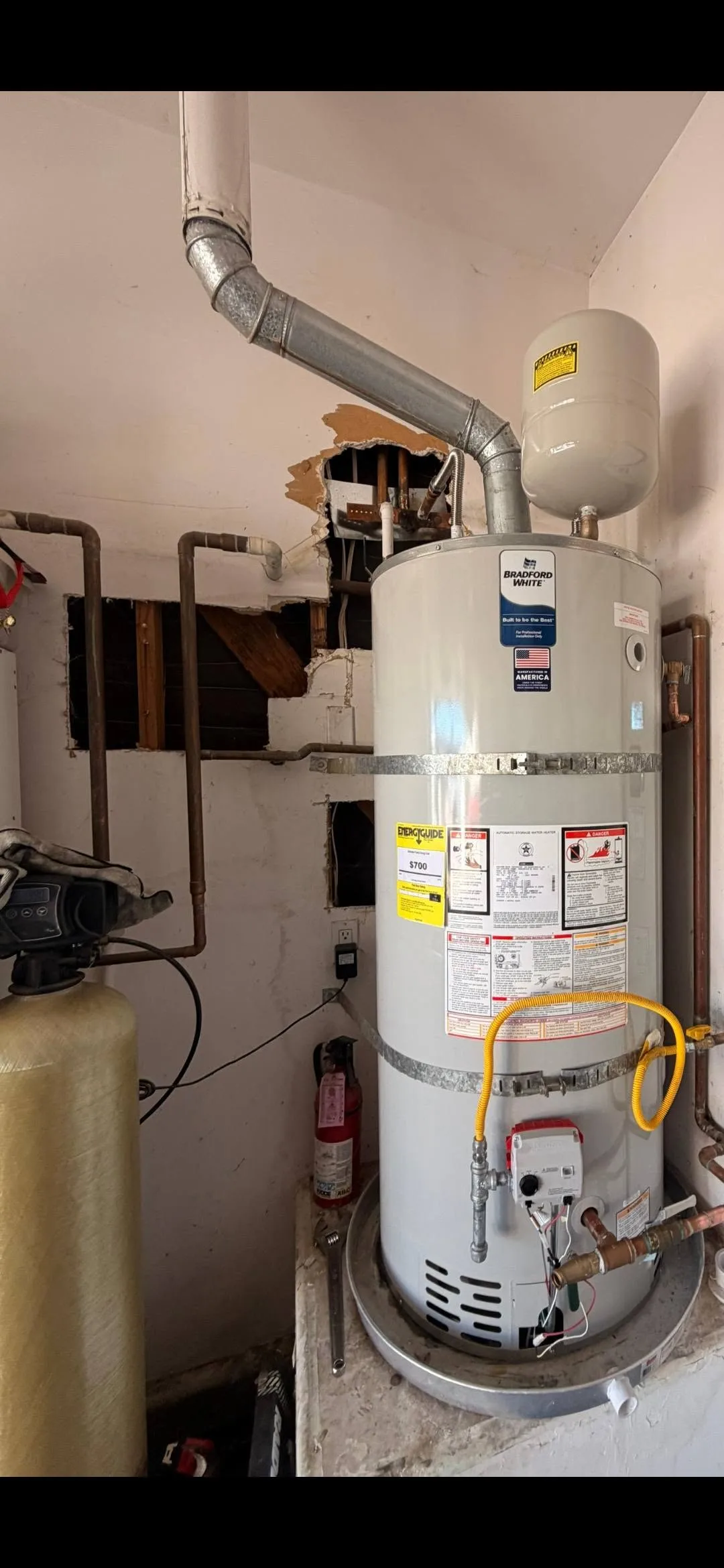
Sizing a Tankless Unit Correctly
Tankless sizing works differently than tank sizing, and getting it wrong causes a real problem either direction:
A genuinely accurate sizing recommendation depends on your household’s actual routine and your home’s water conditions — not a rule of thumb from a manufacturer’s brochure. That’s part of what we walk through when you call.
Manufacturer Brands Homeowners Often Ask About
When researching tankless systems, homeowners commonly come across a handful of manufacturer names repeatedly — Rheem, Navien, and Rinnai are among the most frequently referenced brands in this market. We’re happy to discuss any specific brand or model you’ve been researching and give you an honest read. To be direct about what we’re not claiming: we are not an authorized dealer or certified installer for any single manufacturer, and we don’t push one brand as the default. Our recommendation is based on matching a unit’s specifications — flow rate, fuel type, efficiency rating, warranty terms — to your household’s actual situation, not brand loyalty.
Installation Process
Whether you’re installing a new tankless unit as a replacement for a failed or aging tank system, or as part of new construction or renovation, the process follows a consistent structure: If you are looking for an experienced tankless water heater chula vista, we are here to help.
1. We assess your household’s actual usage pattern — peak simultaneous demand, bathroom count, and how your routine actually plays out, rather than a generic square-footage estimate.
2. We evaluate gas line or electrical capacity (depending on fuel type) against what the unit requires, and flag clearly if a capacity upgrade is part of the scope.
3. We evaluate venting and placement, especially important for a retrofit where the existing tank’s venting path may not transfer directly.
4. We recommend a specific unit sized to your actual peak demand — not a default model, since correct sizing is central to the “never run out” experience tankless is known for.
5. We install the unit, addressing any gas, electrical, or venting work identified, along with applicable code compliance and permit requirements.
6. We test the installation — operation, temperature calibration, and flow rate verification — before considering the job complete.
7. We walk you through maintenance needs, particularly the descaling schedule that matters more here than for a tank system.
Maintenance: What Ongoing Tankless Upkeep Actually Looks Like
A tankless system is not a lower-maintenance appliance than a tank system — it’s a differently-maintained one, and understanding that difference upfront prevents a common disappointment down the road: If you are looking for an experienced tankless water heater chula vista, we are here to help.
Skipping maintenance doesn’t cause a dramatic failure overnight — it’s a gradual efficiency and flow-rate decline that eventually shows up as inconsistent temperature or reduced output.
What Tankless Repair Looks Like
If you already own a tankless system and something’s gone wrong — reduced flow, inconsistent temperature, an ignition failure, or an error code — that’s a genuinely different diagnostic process than tank repair, since the failure modes differ (scale-related flow restriction, ignition issues, flow-sensor malfunction, rather than a failed heating element or tank corrosion). Our Water Heater Repair page covers general diagnosis and repair, including how tank and tankless troubleshooting differ — mention your unit is tankless when you call.
Tankless Water Heater Cost Considerations in Chula Vista
We don’t publish a flat generic price for tankless installation because real cost depends on several factors specific to your household and home:
What we can commit to: we’ll walk through unit options and their real cost differences directly, including whether a capacity upgrade applies to your home, and you’ll have a written estimate before installation begins. See our full Plumbing Cost & Pricing Guide for how our estimate process works generally. Our goal as your local tankless water heater chula vista is to provide transparent and fast service.
When Tankless Isn’t the Right Fit
In the interest of an honest picture rather than a one-sided pitch, a few situations are worth naming where tankless isn’t automatically the better choice: Choosing the right tankless water heater chula vista can make all the difference for your property.
We’ll tell you honestly if any of these apply rather than defaulting to a tankless recommendation because it’s a higher-value job — the right answer is whichever system actually fits your household. For any issues, relying on a professional tankless water heater chula vista is the safest bet.
Tankless for Rental Properties, HOAs, and Multi-Unit Buildings
Multi-unit properties considering tankless conversions face additional coordination and capacity questions — shared gas/electrical infrastructure, per-unit versus building-wide decisions, and minimizing disruption to occupied units. If you manage rental units, an HOA-governed property, or a commercial building, see our commercial and property-manager plumbing page for how we handle multi-unit water heater projects. As a trusted tankless water heater chula vista, we ensure the job is done right the first time.
Verify We’re Licensed Before You Book
Chula Vista Plumbing Now holds an active California C-36 plumbing contractor license. You can verify any contractor’s license for free through CSLB’s online license lookup tool — we’ll provide our license number directly when you call. If you’re comparing contractors for a tankless installation, our How to Choose a Licensed Plumber page covers what’s genuinely worth checking before you commit, including for gas-appliance-adjacent work like this. As a trusted tankless water heater chula vista, we ensure the job is done right the first time.
Frequently Asked Questions
Should I get a tankless water heater instead of a tank?
It depends on peak simultaneous demand, available space, budget, and willingness to keep up with descaling in our hard-water area. See our Water Heater Installation page for the full general tradeoff comparison; this page covers tankless-specific facts once you’re leaning that direction.
Does my home need a gas line upgrade for a tankless water heater?
Sometimes. A gas tankless unit typically needs more gas flow capacity than a tank unit of similar output, and an older home’s line was often sized for the original tank, not a tankless system’s peak demand. We assess actual capacity before recommending a unit — see “Gas Line Capacity” above.
Does hard water affect tankless water heaters?
Yes, more directly than a tank system. San Diego County water commonly runs 16-18 grains per gallon, and hard water minerals accumulate as scale inside a tankless unit’s heat exchanger, reducing efficiency and flow rate if not addressed through periodic descaling.
How often does a tankless water heater need descaling?
It depends on your local water hardness and usage volume — we set a realistic schedule for your specific installation rather than a generic interval. Pairing a tankless unit with a whole-house softener reduces how often descaling is needed.
Can I install a tankless water heater in an older Chula Vista home?
Yes, but it’s a genuinely different job than new construction — gas line capacity, venting requirements, and available placement space typically need evaluation for a retrofit. See “Retrofitting an Older Chula Vista Home” above.
What size tankless water heater do I need?
Sizing is based on flow rate (gallons per minute at peak demand), not storage volume — an undersized unit still runs short during heavy simultaneous use. We size based on your household’s actual routine, not a generic rule of thumb.
Do you install a specific brand of tankless water heater?
We’re not an authorized dealer or certified installer for any single manufacturer. We’re happy to discuss brands homeowners commonly ask about, including Rheem, Navien, and Rinnai, and give you an honest read matched to your needs.
Is a gas or electric tankless water heater better?
It depends on your home’s existing utility setup and available capacity. A gas unit needs adequate gas line capacity; a whole-home electric unit needs adequate panel capacity. We assess both against your home’s actual infrastructure.
How much does tankless water heater installation cost in Chula Vista?
It depends on unit specifications, whether a capacity upgrade is needed, venting, and installation location. See our pricing guide for how our estimate process works — we don’t publish fixed prices since accurate cost depends on your specific home.
My tankless water heater is giving inconsistent hot water — is that a repair issue?
Could be several things — scale buildup restricting flow, an ignition issue on a gas unit, or a flow-sensor malfunction. Tankless troubleshooting differs genuinely from tank troubleshooting; see our Water Heater Repair page and mention you have a tankless unit when you call.
Do tankless water heaters really provide endless hot water?
Within the unit’s rated flow capacity, yes — there’s no tank to deplete. If simultaneous demand exceeds that flow rate (multiple showers, laundry, and a dishwasher at once, for example), you’ll notice reduced temperature or pressure rather than a total loss of hot water.
I manage a rental property or HOA — do you handle multi-unit tankless installations?
Yes — multi-unit properties considering tankless conversions face additional capacity and coordination questions beyond a single-family retrofit. See our property manager and commercial plumbing page for how we handle that.
Ready for Tankless — Done Right?
Whether you’re set on tankless or still weighing the final details, call (619) 558-3293 for an honest assessment of your home’s gas or electrical capacity, correct sizing, and what installation actually involves — not a pitch for whichever unit is easiest to sell. Browse our full services list for anything else we can help with.
Ready for Reliable Plumbing Service?
Whether it’s an urgent repair, a routine replacement, or you just need an honest diagnosis, we provide the reliable plumbing services Chula Vista households depend on.