
Service · Chula Vista, CA
Toilet Repair in Chula Vista, CA
A toilet repair call can mean a lot of different things: a toilet that runs constantly, one that doesn’t flush fully, one that rocks or leaks at the base, or one that’s simply old and failing in multiple small ways at once. Each of those has a different likely cause and a different fix, so we start by figuring out which situation you’re actually in rather than assuming the most common answer applies to your specific toilet.
Toilet Not Flushing Fully? Here’s What’s Usually Going On
An incomplete or weak flush is one of the most common toilet complaints, and it usually comes down to one of a few specific, diagnosable causes rather than a mysterious toilet failure:
We check these in order — starting with the simplest, least invasive causes — rather than assuming the worst and recommending a full toilet replacement for what might be a five-minute fill-valve adjustment.
Running Toilet? Check the Overflow Tube
A toilet that runs continuously or refills itself periodically without being used has a different, equally common cause worth understanding on its own: Knowing who to call when searching for a paired as a two-part diagnostic section. saves you time and stress.
- A cracked overflow tube. The overflow tube (inside the tank, usually the tallest visible component) is designed to redirect excess water back into the tank if the fill valve overfills — a crack in it allows water to continuously drain into the bowl, which the fill valve then tries to keep replacing, creating a running sound that never fully stops.
- A disconnected overflow tube. If the tube has come loose from its base connection, water can bypass its intended path entirely, causing a similar continuous-running symptom.
- A misaligned overflow tube. Even without a crack or disconnection, a tube that’s been bumped out of proper alignment (often during a DIY tank-lid removal or a previous repair) can behave the same way.
- A worn flapper, covered separately below, is the other most common cause of a running toilet and is worth ruling out alongside the overflow tube.
Diagnosing between a flapper issue and an overflow tube issue matters because the fix is different for each — treating a cracked overflow tube like a flapper problem (or vice versa) means the running sound comes right back after a repair that didn’t address the actual cause.
The Humble Flapper: A Small Part, A Common Problem
The flapper — the rubber seal at the bottom of the tank that lifts when you flush and reseals afterward — wears out faster than almost any other toilet component, simply because it flexes with every single flush over years of use. A worn, warped, or improperly seated flapper lets water slowly leak from the tank into the bowl, which the fill valve then has to keep replacing, producing the same “running” symptom as an overflow tube issue but from a completely different part. This is usually one of the least expensive toilet repairs, and often one we can diagnose and confirm on the same visit using a simple dye test.
Leaking at the Base: A Different Problem Entirely
Water pooling around the base of the toilet is a distinct issue from an internal tank problem, and it’s worth treating with more urgency:
A base leak involves water that may have contacted wastewater, so we treat it as a higher-priority visit than a simple running-toilet call, and recommend not ignoring it even if the leak seems small.
When Repair Makes Sense vs. When Replacement Does
Most toilet issues — a running toilet, a weak flush, a single leak — are genuinely fixable with an inexpensive part repair, and we’ll always start there rather than defaulting to a sales pitch for a new toilet. But there are situations where replacement is the more honest recommendation:
We’ll tell you honestly which category your toilet falls into rather than upselling a repair into a replacement or vice versa.
Toilet Age and When Original Components Start Failing
Most toilet internal components — fill valves, flappers, overflow tubes — have a practical service life measured in years, not decades, since they’re flexing or moving with every single flush. A toilet’s porcelain body can last far longer than its internal hardware, which is why an older toilet with original, never-replaced internal components is more likely to develop one of the issues covered above than a newer toilet or one that’s already had its internals updated. If your toilet is original to an older home and you’re not sure when (or if) the internal components were last replaced, that’s worth mentioning when you call, since it can help narrow down the likely cause before we even arrive. Our goal as your local paired as a two-part diagnostic section. is to provide transparent and fast service.
Choosing a Replacement Toilet: What Matters
If replacement turns out to be the right call, a few factors are worth understanding before deciding on a model: When you need a reliable paired as a two-part diagnostic section., our team is ready to assist.
We’ll walk through these options with you if replacement is genuinely the right call, rather than pushing a specific model regardless of fit.
Clogs: A Related but Distinct Problem
A toilet clog is a different issue from the flush-strength and running-toilet problems covered above, though the symptoms can overlap (a severe clog can look like a weak flush). Simple clogs are often resolvable with a plunger; a clog that resists plunging, recurs repeatedly, or affects multiple fixtures at once can point to a deeper drain-line issue rather than a toilet-specific problem — see our Drain Cleaning page and Hydro Jetting page if that sounds like what you’re dealing with. As a trusted paired as a two-part diagnostic section., we ensure the job is done right the first time.
A Few Things to Check Before You Call
A couple of quick checks can sometimes save you a service call, or at least help us diagnose faster over the phone:
What to Expect During a Toilet Repair Visit
1. Describe the symptom. Running constantly, weak flush, leaking at the base, or something else — the specific symptom narrows down the likely cause before we even open the tank.
2. Diagnose the specific component. We check fill valve, float setting, flapper, overflow tube, and sediment as relevant to your symptom, rather than replacing parts speculatively.
3. Explain what we found and the fix. Before any repair, we explain the actual cause and what fixing it involves.
4. Complete the repair. Most toilet repairs are same-visit, using standard replacement parts.
5. Confirm the fix. We test the flush and check for any remaining running or leaking before considering the job done.
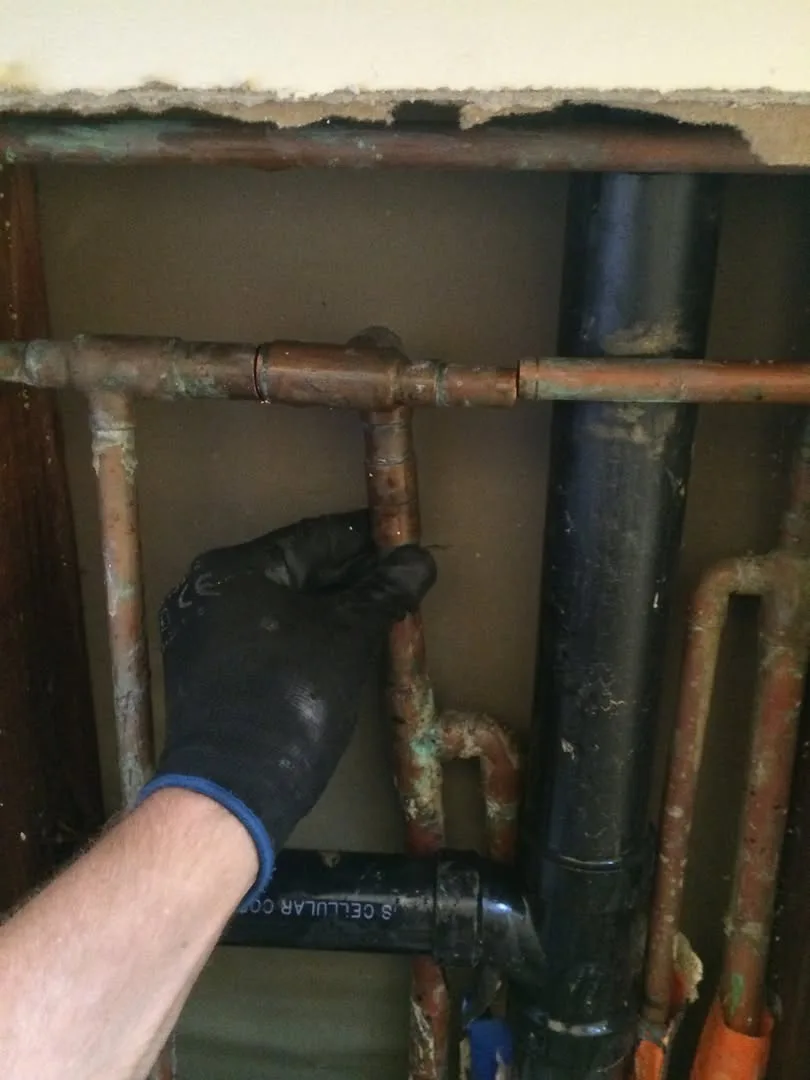
Chula Vista-Specific Toilet Considerations
Signs a Toilet Issue Deserves a Prompt Call Rather Than Waiting
Most toilet problems aren’t emergencies, but a few situations are worth acting on promptly rather than living with for weeks:
Toilet Repair for Rental Properties and HOAs
Multi-unit properties often have several toilets of the same age and model, which means a failure in one unit can be an early warning sign for others nearby. If you manage rental units or an HOA-governed property, see our commercial and property-manager plumbing page for how we handle multi-unit toilet repair and proactive checks across a property.
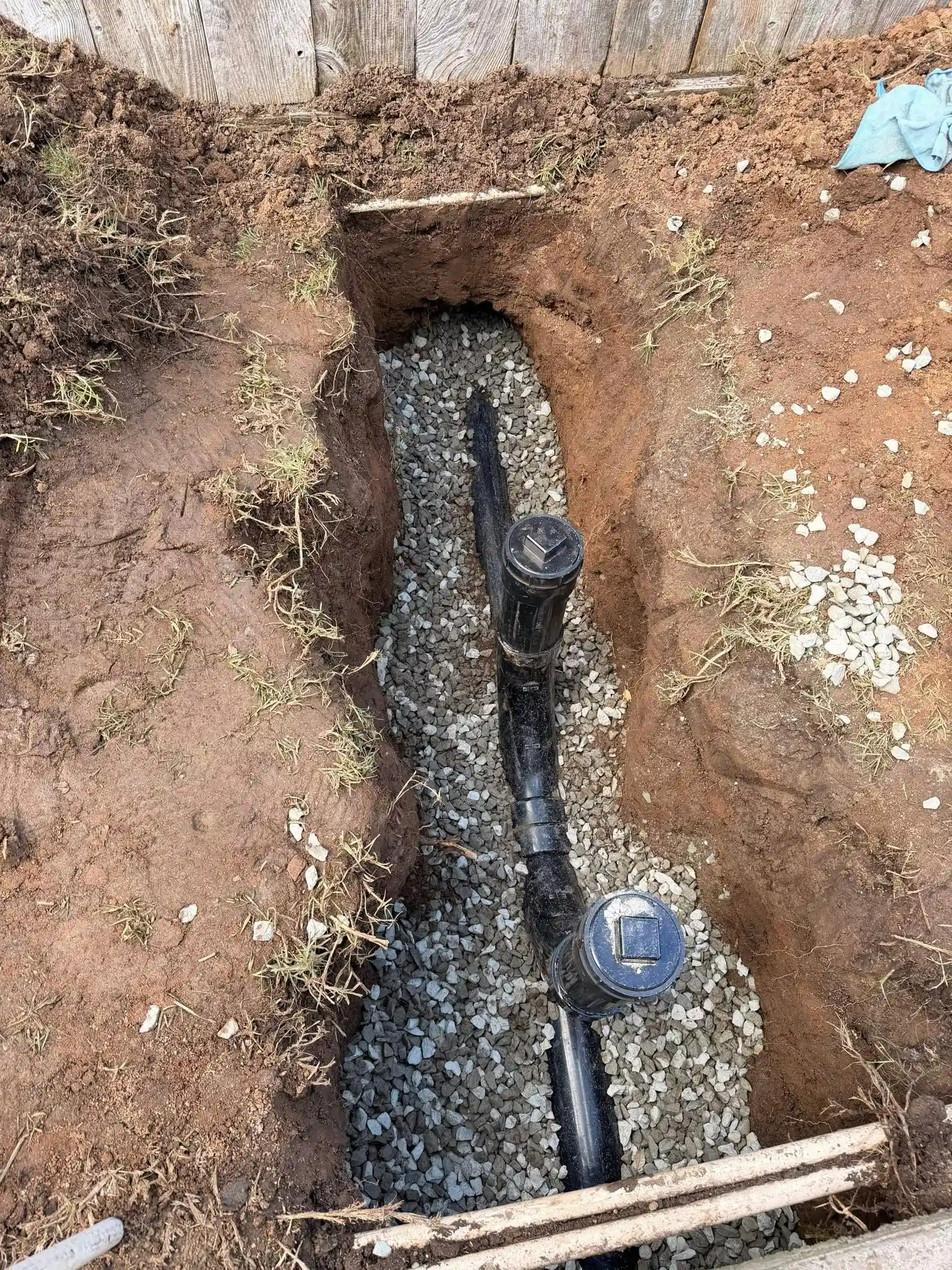
Toilet Repair Cost in Chula Vista
Most toilet repairs involve inexpensive parts and straightforward labor, but the exact cost depends on which component is actually the issue and whether replacement rather than repair turns out to be the right call. We don’t publish a fixed price for that reason, but we commit to explaining the diagnosis and giving you a real estimate before work begins. See our full Plumbing Cost & Pricing Guide for how our estimate process works generally.
Preventing Toilet Problems Where Possible
Verify We’re Licensed Before Any Repair Work
California’s Contractors State License Board (CSLB) maintains a free lookup tool at cslb.ca.gov where you can verify any plumbing contractor’s license status before work begins — we’d rather you check than take our word for it.
Frequently Asked Questions
Why is my toilet running constantly?
The two most common causes are a worn flapper or a cracked, disconnected, or misaligned overflow tube. Both produce a similar continuous-running sound but need different fixes, which is why proper diagnosis matters before repair.
Why won’t my toilet flush fully?
Usually a low tank water level, a faulty fill valve, an incorrectly set float, or sediment buildup restricting flow. We check these in order, starting with the simplest and least invasive causes.
Is a leak at the base of my toilet serious?
It’s worth addressing promptly — a base leak is often caused by a failed wax ring or loose mounting bolts, and the water involved may have contacted wastewater. It also tends to worsen the connection seal over time if left unaddressed.
Do I need a new toilet or just a repair?
Most issues — running, weak flush, a single leak — are repairable with an inexpensive part. Replacement makes more sense for a cracked tank or bowl, repeated wax ring failures at the same toilet, or a toilet failing in multiple unrelated ways at once. We’ll tell you honestly which situation applies. Knowing who to call when searching for a paired as a two-part diagnostic section. saves you time and stress.
Can I fix a running toilet myself?
Some running-toilet causes, like a visibly worn flapper, are within reach for a comfortable DIYer. If a flapper replacement doesn’t resolve it, the cause is more likely the overflow tube or fill valve, which is when a professional diagnosis saves you from replacing parts by trial and error.
What causes a toilet to clog repeatedly?
A single clog is often just paper or waste volume; a clog that recurs regularly can point to a partial blockage further down the drain line rather than a toilet-specific issue. See our Drain Cleaning page if clogs are a recurring problem rather than a one-time event. We are proud to be the paired as a two-part diagnostic section. that the community relies on.
Are flushable wipes actually safe to flush?
Despite the labeling, most “flushable” wipes don’t break down the way toilet paper does and are a common cause of clogs, both in the toilet itself and further down the drain line. We’d recommend disposing of them in the trash instead.
How long does a typical toilet repair take?
Most toilet repairs — flapper, fill valve, overflow tube — are completed in a single visit using standard parts. A base leak requiring wax ring replacement or a full toilet replacement may take somewhat longer. Choosing the right paired as a two-part diagnostic section. can make all the difference for your property.
Will you tell me if I need a new toilet instead of a repair?
Yes — we’ll always explain honestly if your specific toilet is a good repair candidate or if replacement is the more sensible long-term answer, rather than defaulting to whichever is more profitable for us. If you are looking for an experienced paired as a two-part diagnostic section., we are here to help.
Do you install water-efficient toilets?
Yes — if you’re interested in upgrading to a more water-efficient model, whether prompted by a repair need or simply wanting to reduce water use, we can walk you through the options during a visit.
Can sediment in my water affect my toilet?
Yes — mineral sediment can build up in the tank, fill valve, and rim jets over time, restricting water flow and contributing to a weak flush even when other components are working correctly. This is more common with certain water conditions and older fixtures.
What’s the difference between a fill valve problem and a flapper problem?
A fill valve issue typically affects how the tank fills after a flush (too slow, too little, inconsistent), while a flapper issue causes a slow leak from tank to bowl between flushes, producing a running sound. Both are common, inexpensive fixes once correctly diagnosed. For any issues, relying on a professional paired as a two-part diagnostic section. is the safest bet.
Are there rebates for replacing an old toilet with a water-efficient model?
Local water agencies periodically offer rebate programs for water-efficient fixture upgrades. It’s worth checking with Sweetwater Authority or Otay Water District, depending on your service area, if you’re considering a water-efficient replacement.
My toilet only has one working toilet in the house — is that an emergency?
It’s not a plumbing emergency in the flooding sense, but we understand the daily impact is real, and we treat single-bathroom households as a scheduling priority when possible rather than making you wait as long as a lower-impact repair might.
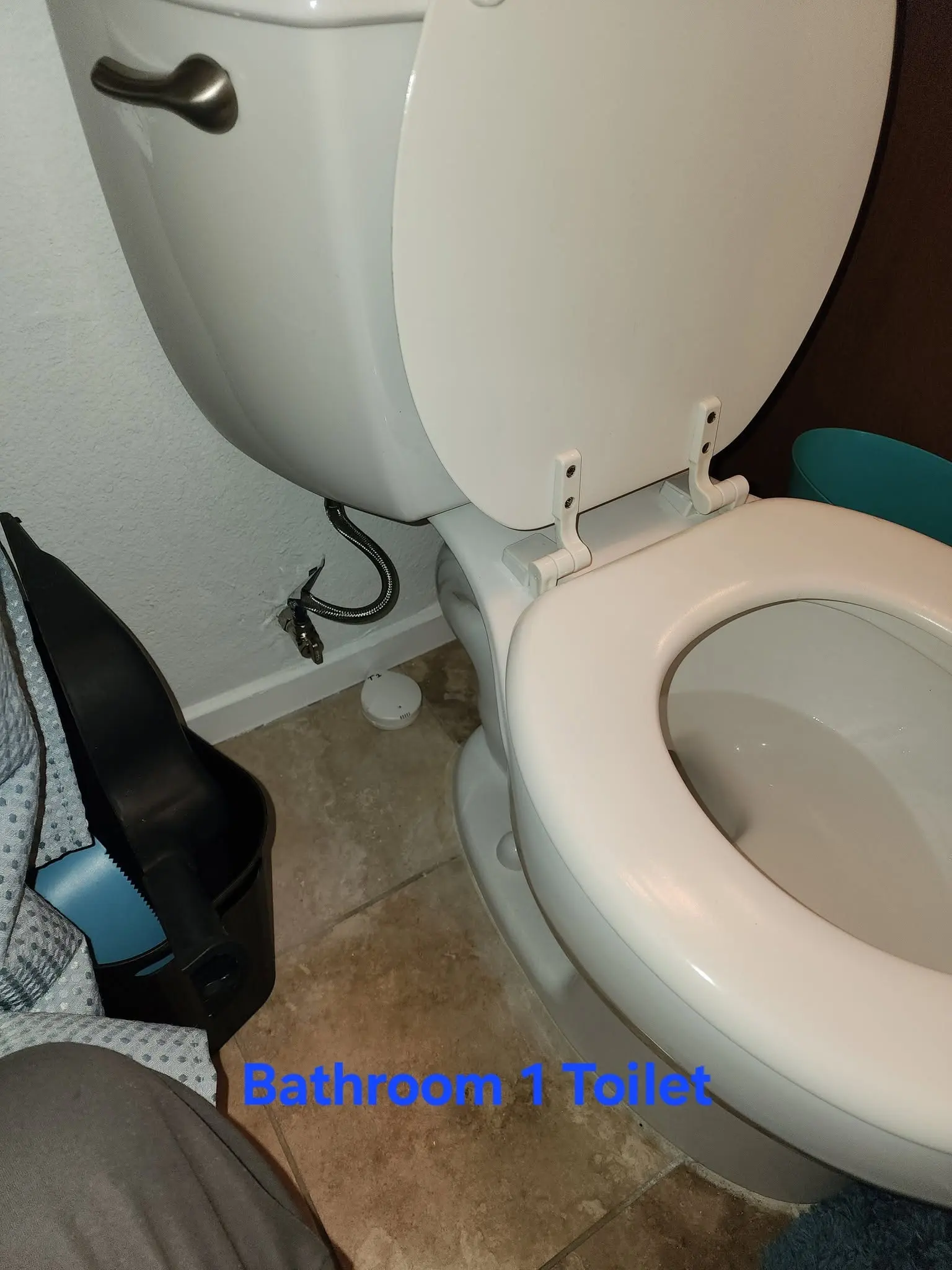
Dealing with a Running, Weak, or Leaking Toilet?
Whether it’s a quick flapper swap or something that points toward replacement, we’ll diagnose the actual cause before recommending a fix. Contact us to get started.
Ready for Reliable Plumbing Service?
Whether it’s an urgent repair, a routine replacement, or you just need an honest diagnosis, we provide the reliable plumbing services Chula Vista households depend on.