Service · Chula Vista, CA
Sewer Backup? Here’s What to Do Right Now
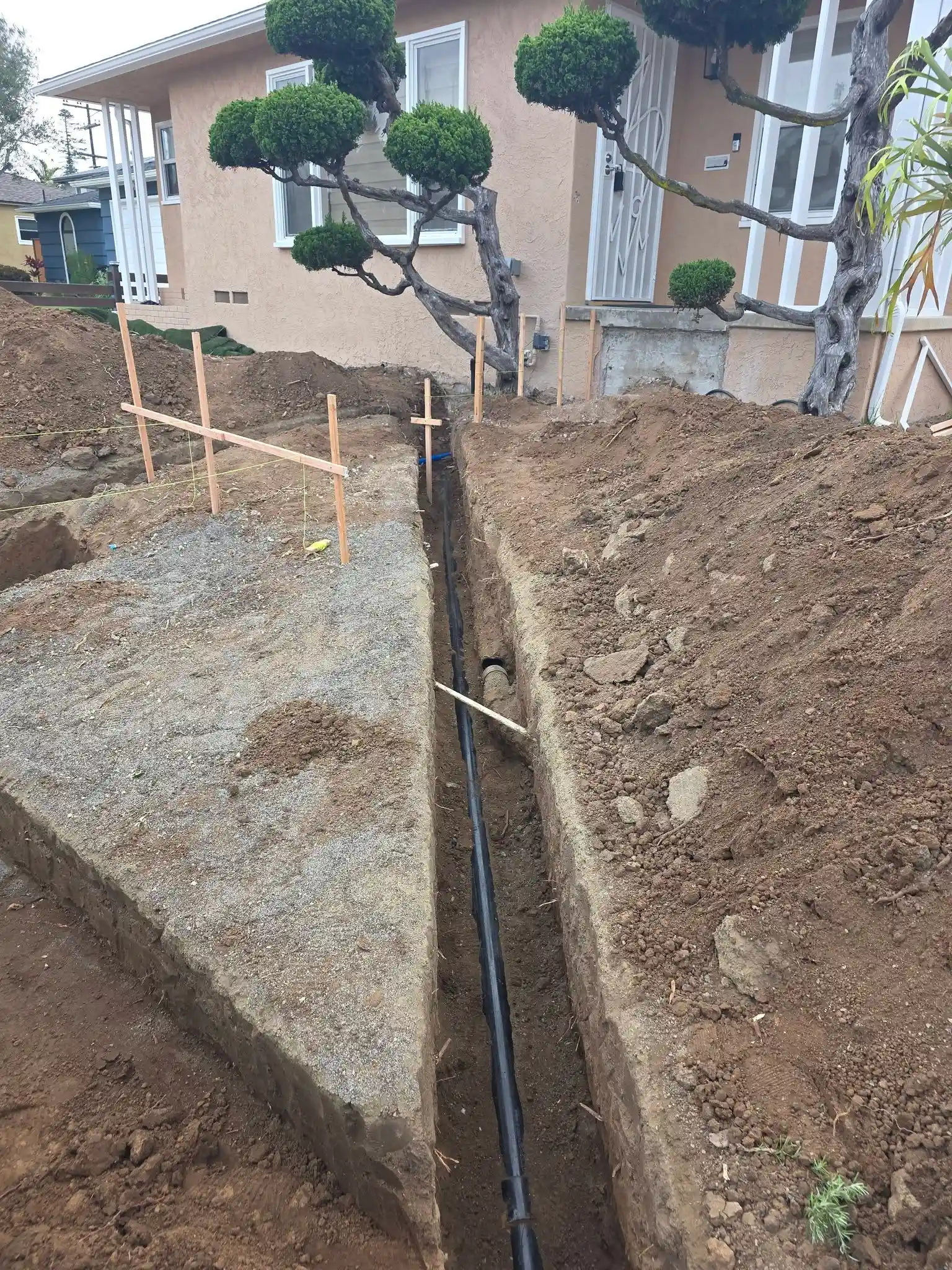
A sewer backup — wastewater coming up through a drain, toilet, or floor drain instead of going down like it should — is one of the more serious plumbing emergencies a home can face. Beyond the mess, it carries real health risks that a typical water leak doesn’t, since it involves wastewater rather than clean supply water. This page covers what to do right now, what to avoid, and how to think about next steps. For the full breakdown of what causes sewer lateral issues, who’s responsible for repair, and permit requirements, see our Sewer Line Repair page.
Immediate Steps to Take
1. Stop using water in your home — every sink, toilet, shower, and appliance that uses water (dishwasher, washing machine) adds more volume to a system that’s already backing up, and can make the situation worse.
2. Keep people and pets away from the affected area. Wastewater can carry bacteria and pathogens — treat it as a contamination risk, not just a mess.
3. Turn off electricity to the affected area if water is anywhere near outlets, appliances, or electrical panels — safety comes before cleanup.
4. Ventilate the area if possible — open windows or doors to the outside, without walking through the affected water more than necessary.
5. Call for emergency plumbing help. A sewer backup is not a situation to wait out — see our Emergency Plumbing page for what we consider a true plumbing emergency, which this qualifies as.
6. Document the damage with photos before cleanup begins, if it’s safe to do so, which can matter for insurance purposes.
What NOT to Do During a Sewer Backup
Why Sewer Backups Are a Genuine Health Concern
Unlike a clean water leak, a sewer backup involves wastewater that can carry bacteria, viruses, and other pathogens. This changes both the urgency and the appropriate response: Knowing who to call when searching for a sewer backup chula vista saves you time and stress.
Cleanup and Restoration After a Backup
Once the blockage is cleared, cleanup is its own distinct phase, and it’s worth approaching carefully rather than rushing:
Insurance Considerations for Sewer Backup Damage
Sewer backup damage is treated differently by many homeowners insurance policies than typical water damage, which is worth understanding before you assume you’re covered:
Signs You’re Dealing With a Sewer Backup vs. a Simple Clog
A single slow or clogged drain is different from a sewer backup, and telling them apart matters for how urgently you respond:
If you’re dealing with a single slow drain rather than multiple fixtures backing up together, that’s more likely a standard clog — see our Drain Cleaning page for that situation, which is generally less urgent than a true sewer backup. We are proud to be the sewer backup chula vista that the community relies on.
Recurring Backups: A Pattern Worth Taking Seriously
A backup that happens once might be a one-time blockage — root intrusion clearing temporarily, an unusual amount of grease buildup, an isolated flushed item. A backup that recurs, even after being cleared, is a different situation entirely and deserves a more thorough response: When you need a reliable sewer backup chula vista, our team is ready to assist.
Sewer Backups in Multi-Unit and Rental Properties
Shared sewer infrastructure in multi-unit buildings means a backup can affect more than one unit, and the response needs to account for that:
If you manage rental units or an HOA-governed property, see our commercial and property-manager plumbing page for how we handle multi-unit emergency response, including sewer backups affecting shared infrastructure. If you are looking for an experienced sewer backup chula vista, we are here to help.
Whose Responsibility Is This — Yours or the City’s?
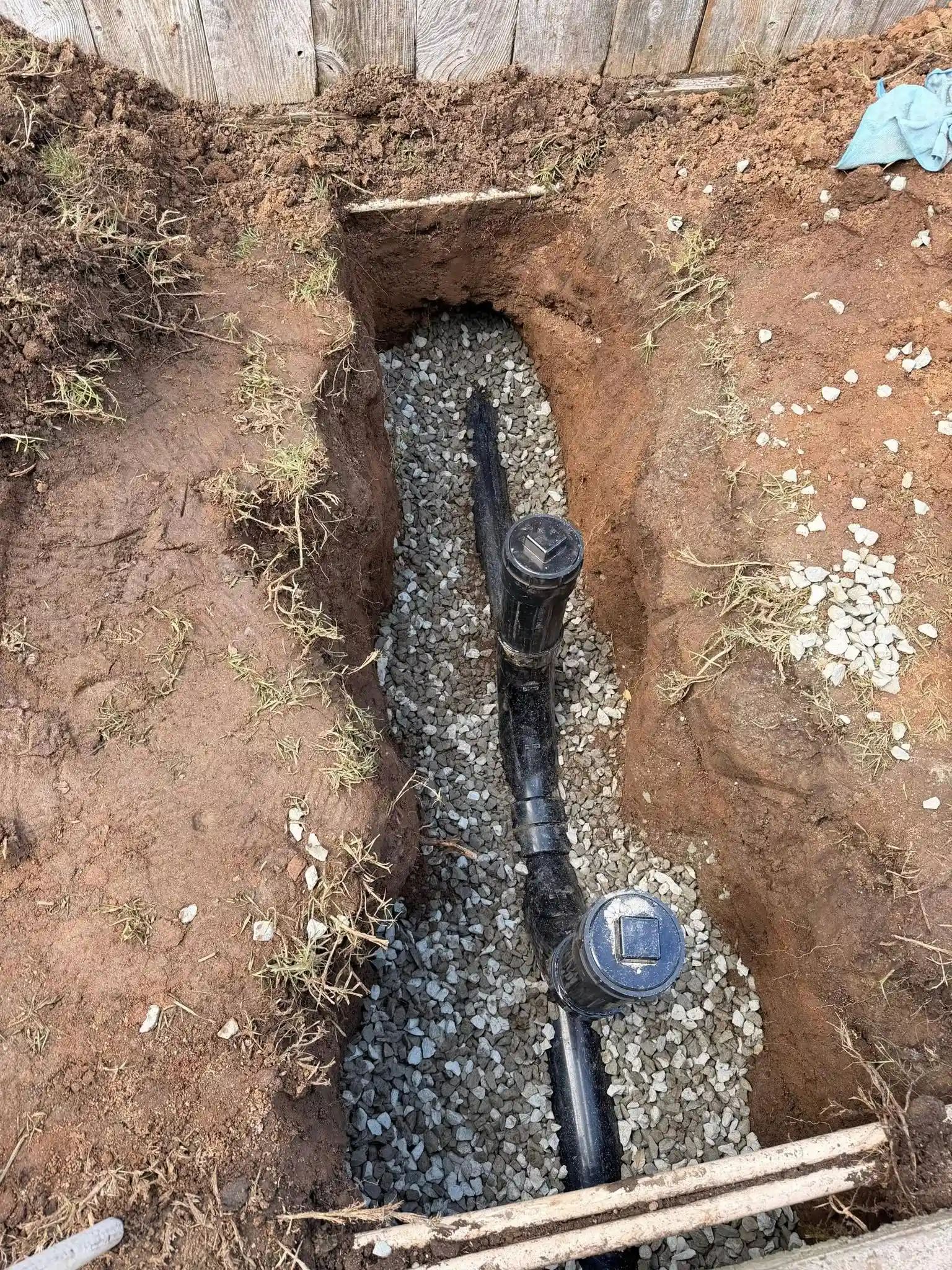
This is one of the most common points of confusion during a sewer backup, and it matters for both response and cost. In general, the property owner is responsible for the lateral line connecting their home to the City’s main sewer line, while the City is responsible for the main line itself. Our Sewer Line Repair page covers this liability question in full detail, citing the City of Chula Vista’s own policy directly — worth reading once the immediate emergency is addressed, since it affects what happens next.
What Causes a Sewer Backup
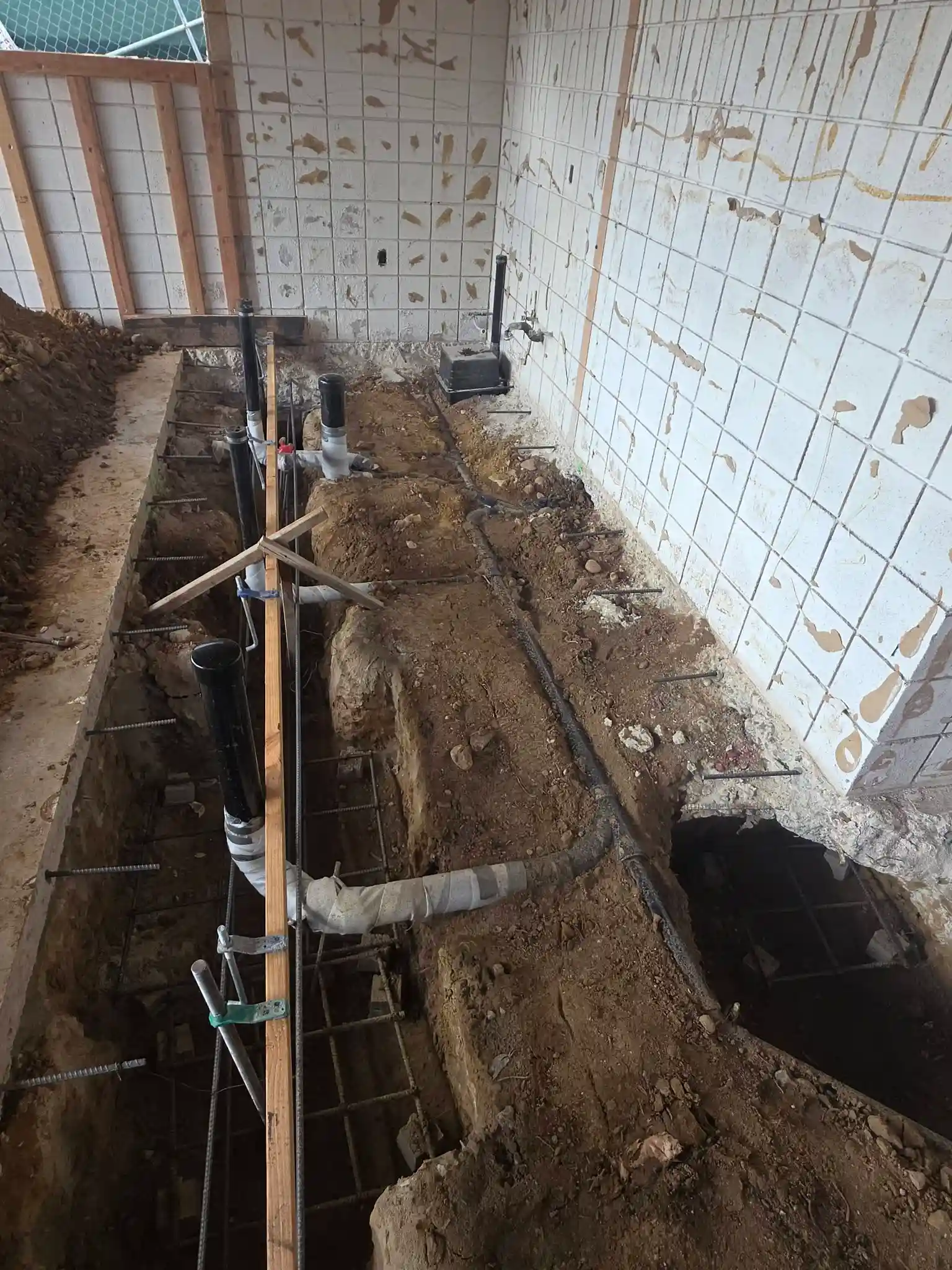
The full breakdown of causes — root intrusion, aging pipe material, grease/fat buildup, and more — is covered in depth on our Sewer Line Repair page. Briefly, for the immediate context: a backup usually means something is blocking or restricting flow in the main line or lateral, forcing wastewater to find the path of least resistance, which is often back up through the lowest drain in your home (frequently a floor drain, basement fixture, or ground-floor toilet).
Older Chula Vista Homes: Why This Risk Can Be Higher
Established, older neighborhoods on the west side of Chula Vista are more likely to have original cast-iron or clay sewer lateral lines, both of which are more prone to root intrusion and age-related deterioration than modern PVC lines — a pattern covered in more depth on the Sewer Line Repair page. If you live in an older home and have experienced a prior backup, or know your lateral line has never been inspected or replaced, that history is worth mentioning when you call, since it can inform how we approach diagnosis.
Mature-tree neighborhoods deserve a specific mention here as well — established landscaping with decades-old trees near a home’s sewer lateral path significantly increases root-intrusion risk, since roots are drawn toward the moisture and nutrients inside an aging pipe and can exploit even small existing cracks or joint gaps over time. This applies to both older west-side neighborhoods and older sections of otherwise-newer east-side communities like Eastlake and Otay Ranch, where original landscaping has now matured over a couple of decades. That is why homeowners consistently choose us as their sewer backup chula vista.
Seasonal Factors Worth Knowing
Sewer backups aren’t purely random events — a few seasonal and usage patterns make them somewhat more likely at certain times: If you are looking for an experienced sewer backup chula vista, we are here to help.
None of these factors guarantee a backup will happen on their own, but they’re genuinely worth being aware of if you’re deciding whether a proactive camera inspection makes sense for your specific property.
What to Expect When You Call Us About a Sewer Backup
1. Describe what you’re seeing — which fixtures are affected, whether it’s a first-time or recurring issue, and any safety concerns (electrical proximity, affected living space).
2. We treat this as an emergency-priority call, consistent with how we handle true plumbing emergencies.
3. We diagnose the location and likely cause of the blockage, often using camera inspection to confirm rather than guess.
4. We clear the blockage and confirm normal flow is restored.
5. We explain what we found, including whether this points toward a lateral line issue that may need further repair — see our Sewer Line Repair page for what that next step can involve.
Preventing Future Sewer Backups
Verify We’re Licensed Before Any Repair Work
California’s Contractors State License Board (CSLB) maintains a free lookup tool at cslb.ca.gov where you can verify any plumbing contractor’s license status before work begins — even during an emergency, this verification takes under a minute.
Frequently Asked Questions
Is a sewer backup a real plumbing emergency?
Yes — it involves wastewater, which carries genuine health risks, and it typically indicates a blockage that will worsen rather than resolve on its own. Treat it with the same urgency as an active water emergency. If you are looking for an experienced sewer backup chula vista, we are here to help.
Should I try to plunge a backed-up toilet myself?
Be cautious — if the blockage is in the main line or lateral rather than just that fixture, plunging can push contaminated water elsewhere without resolving the underlying issue. If multiple fixtures are affected, this is likely not a simple single-fixture clog.
Is it safe to clean up sewage water myself?
Direct contact with wastewater carries real health risk. If any interim cleanup is unavoidable before help arrives, use gloves and avoid direct skin contact; larger cleanup and disinfection of affected areas is generally best left to appropriately equipped professionals. Choosing the right sewer backup chula vista can make all the difference for your property.
How is a sewer backup different from a regular clogged drain?
A single slow or clogged drain typically affects one fixture. A sewer backup often affects multiple fixtures at once, or causes wastewater to come up through a drain that wasn’t even being used — both point toward a shared main line or lateral issue.
Who’s responsible for fixing a sewer backup — me or the City?
It depends on where the blockage is. Property owners are generally responsible for their lateral line connecting to the City’s main sewer line, while the City is responsible for the main line itself. See our Sewer Line Repair page for the full liability breakdown.
What causes sewer backups in older Chula Vista homes?
Root intrusion and age-related deterioration of original cast-iron or clay lateral lines are common causes in established, older neighborhoods. See our Sewer Line Repair page for the full breakdown of causes.
Can I use a chemical drain cleaner to fix a sewer backup?
No — chemical drain cleaners are generally ineffective on a main-line-level blockage and can create additional hazards when combined with standing wastewater. This isn’t the type of blockage they’re designed for.
What should I do with items that got wet during a sewer backup?
Porous materials that were saturated by contaminated water — carpet, drywall, some flooring — may need professional assessment to determine whether they can be cleaned or need to be removed, given the contamination risk.
Will a backwater valve prevent future sewer backups?
A backwater valve can help protect against backups caused by issues on the City’s main-line side, though it doesn’t address blockages within your own lateral line. Worth discussing if backups have been a recurring issue for your property. When you need a reliable sewer backup chula vista, our team is ready to assist.
How quickly can someone respond to a sewer backup?
We treat sewer backups as emergency-priority calls given the health and property risk involved — call and describe your situation, and we’ll be direct about realistic response timing.
Does homeowners insurance cover sewer backup damage?
Not always by default — many standard policies exclude sewer backup damage unless you have a specific “sewer backup” or “water backup” endorsement. Check your policy documents or call your insurer to confirm your coverage. If you are looking for an experienced sewer backup chula vista, we are here to help.
What should I do if the backup keeps happening after it’s cleared?
A recurring backup usually means the underlying cause — root intrusion, a damaged pipe section, ongoing grease buildup — wasn’t fully resolved by clearing the immediate blockage. A camera inspection after a second occurrence is a reasonable next step. Trust your home to a licensed sewer backup chula vista rather than risking DIY fixes.
Can a sewer backup affect more than one unit in my building?
Yes — if the issue is in a shared main line or lateral, a backup can affect multiple units simultaneously, which needs to be addressed at the building level. See our commercial and property-manager plumbing page for how we handle that.
Dealing With an Active Sewer Backup?
Stop using water, keep the area clear, avoid direct contact with any affected surfaces, and call us right away — this isn’t a situation to wait out. Contact us to get started. Knowing who to call when searching for a sewer backup chula vista saves you time and stress.
C-36 Emergency Response & Lateral Responsibility Map
Chula Vista Sewer Backup Emergency Map: Immediate Shutoff & Containment, Homeowner Private Lateral vs. City Main Responsibility & Hydro Jetting/Camera Diagnostics
Follow this three-step Chula Vista sewer backup protocol to stop sewage overflow immediately, identify whether the blockage is in your private sewer lateral or the City of Chula Vista main, and restore flow with 4,000 PSI hydro jetting and HD camera inspection.
What should I do first during a sewer backup in Chula Vista?
Stop flushing toilets, running showers, or using appliances immediately—every gallon added backs up through the lowest floor drain. If sewage is actively rising, call our 24/7 emergency plumber team for rapid containment and clearing for any sewer backup Chula Vista homeowners face.
Is the City responsible for sewer backup in Chula Vista?
If you are asking is City responsible for sewer backup, the City of Chula Vista maintains only the public sewer main in the street. Under local rules, the homeowner owns and maintains the entire private sewer lateral from the house all the way to the City main connection, so root intrusions or cracked clay pipes require a licensed C-36 sewer line repair contractor.
Why use hydro jetting and camera diagnostics instead of snaking alone?
A standard cable snake punches a temporary hole through grease or tree roots, leaving buildup behind. High-pressure hydro jetting scours the full pipe diameter clean, and an HD sewer camera confirms whether the lateral is intact or needs spot repair.
Ready for Reliable Plumbing Service?
Whether it’s an urgent repair, a routine replacement, or you just need an honest diagnosis, we provide the reliable plumbing services Chula Vista households depend on.